
Commercial construction projects in Canberra are becoming more complex, time-sensitive, and design-focused than ever before. From multi-storey buildings to large-scale infrastructure and industrial developments, the demand for efficiency and precision is increasing.
One of the key methods helping meet these demands is the use of concrete pumps. Instead of relying solely on traditional pouring techniques, many contractors now depend on advanced placement methods to improve workflow, consistency, and site accessibility.
If you’ve ever searched for commercial concrete pump Canberra services or wondered how large projects are completed so efficiently, this guide explains everything in simple terms. You’ll learn why pumping is widely used, how it works, and why it plays such an important role in modern construction projects in Canberra.
What Is Concrete Pumping?
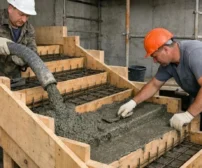
Concrete pumping is the process of transferring liquid concrete from a mixer to the exact location where it is needed using specialised equipment.
Instead of manually transporting concrete in wheelbarrows or buckets, pumping allows it to flow through pipes or hoses.
This method is especially useful for:
- Large-scale construction sites
- Multi-level buildings
- Hard-to-reach areas
It helps deliver concrete quickly, safely, and with greater control.

Why Commercial Projects Require Efficient Concrete Placement
Commercial construction is very different from small residential jobs. Projects often involve:
- Large volumes of concrete
- Tight schedules
- Complex site layouts
- Multiple teams working simultaneously
Delays in concrete placement can affect the entire project timeline. That’s why efficient methods are essential.
Using commercial pump services Canberra allows contractors to maintain consistent progress without unnecessary interruptions.
Key Benefits of Concrete Pumps in Commercial Construction
Concrete pumping offers several advantages that make it a preferred choice for large projects.
Faster Placement of Concrete
Speed is one of the biggest advantages.
Instead of manually transporting concrete:
- Pumps deliver it directly to the required location
- Large areas can be poured continuously
- Work progresses without frequent stops
This helps keep projects on schedule.
Improved Site Accessibility
Commercial sites often have limited access due to:
- Narrow entry points
- Height restrictions
- Obstructions like scaffolding or structures
Concrete pumps can reach areas that would otherwise be difficult or impossible to access.
This is why many contractors rely on concrete pouring services near me Canberra for complex projects.
Better Consistency and Quality
Consistent placement is critical for structural integrity.
Pumping helps:
- Maintain a steady flow of concrete
- Reduce segregation of materials
- Ensure even distribution
This results in stronger and more reliable structures.
Reduced Labour Requirements
Traditional methods require more workers to move and place concrete.
With pumping:
- Fewer workers are needed
- Physical strain is reduced
- Efficiency improves
This allows teams to focus on finishing and quality control.
Increased Safety on Site
Safety is a major concern in commercial construction.
Concrete pumping reduces risks by:
- Minimising manual handling
- Reducing movement of heavy loads
- Lowering the chance of accidents
A safer work environment benefits everyone involved.
Types of Concrete Pumps Used in Commercial Projects
Different projects require different types of equipment.
Boom Pumps
Boom pumps are mounted on trucks and use a robotic arm to place concrete.
Features
- Can reach high or distant areas
- Ideal for multi-storey buildings
- Precise placement
Common Uses
- High-rise construction
- Large commercial slabs
- Infrastructure projects
Line Pumps
Line pumps use flexible hoses to transport concrete.
Features
- More compact and versatile
- Suitable for smaller or restricted sites
Common Uses
- Pathways and smaller slabs
- Indoor or enclosed areas
Why Canberra Projects Specifically Use Concrete Pumps
Local conditions in Canberra make concrete pumping particularly useful.
Weather Variations
Canberra experiences:
- Hot summers
- Cold winters
- Sudden weather changes
Efficient placement reduces exposure time, helping maintain concrete quality.
Soil Conditions
Some areas have reactive or clay-heavy soil.
Consistent pouring ensures:
- Stable foundations
- Reduced risk of structural issues
Urban Development
As Canberra grows, construction sites are becoming more compact.
Limited space makes traditional methods less practical, increasing reliance on pumping.
Applications in Commercial Construction
Concrete pumping is used across a wide range of projects.
Concrete pumping is used across a wide range of projects.
Office Buildings
Large office developments require:
- Strong foundations
- Smooth slab finishes
- Efficient construction timelines
Pumping ensures these requirements are met.
Retail Developments
Shopping centres and retail spaces often involve:
- Large floor areas
- Complex layouts
Pumping allows for consistent and efficient placement.
Industrial Facilities
Warehouses and factories require durable concrete surfaces.
Pumping helps create:
- Even slabs
- High-strength flooring
Infrastructure Projects
Bridges, roads, and public structures rely heavily on concrete.
Pumping is essential for:
- Large-scale pours
- Hard-to-reach locations

Understanding the Concrete Pumping Process
Knowing how the process works can help you better understand its advantages.
Step 1: Site Preparation
The site is cleared and prepared for pouring.
This includes:
- Setting up formwork
- Ensuring proper base conditions
Step 2: Equipment Setup
The pump is positioned based on site layout.
Hoses or booms are arranged to reach the required areas.
Step 3: Concrete Delivery
Concrete is delivered to the pump from a mixer.
Step 4: Pumping and Placement
Concrete is pumped through pipes and placed exactly where needed.
This allows for:
- Controlled flow
- Accurate positioning
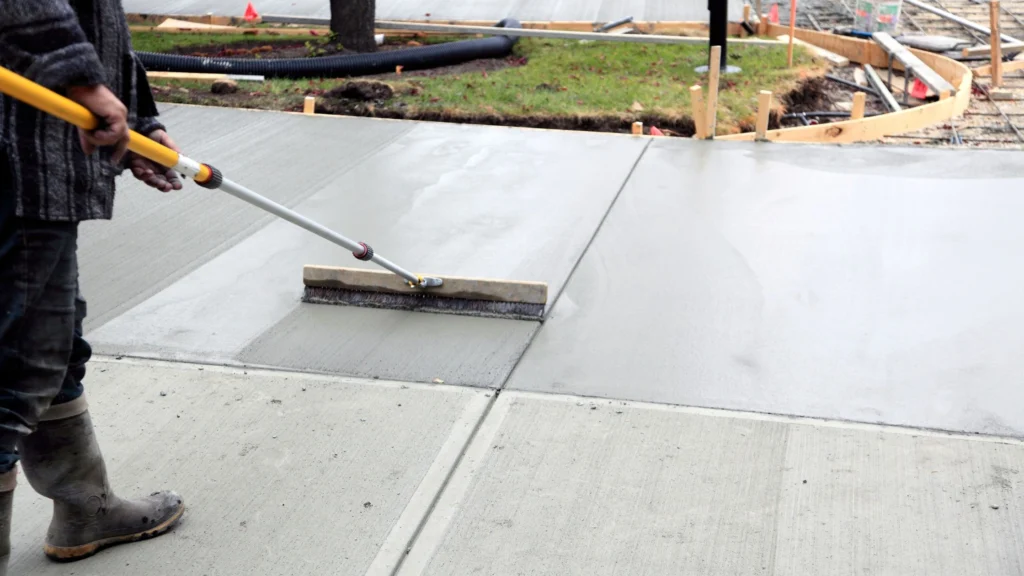
Step 5: Finishing
Once placed, the concrete is:
- Leveled
- Smoothed
- Finished according to requirements
Common Challenges Solved by Concrete Pumping
Concrete pumping addresses several common construction challenges.
Concrete pumping addresses several common construction challenges.
Limited Access Areas
Traditional methods struggle in tight spaces.
Pumping allows concrete to reach areas without direct access.
Large Volume Pours
Handling large volumes manually is time-consuming.
Pumping enables continuous placement, improving efficiency.
Height and Distance
Multi-level projects require vertical and horizontal movement.
Boom pumps make this possible with ease.

Comparing Pumping to Traditional Methods
Understanding the difference helps highlight the value of pumping.
Traditional Methods
- Slower process
- Labour-intensive
- Limited reach
- Higher risk of inconsistency
Pumping Methods
- Faster and more efficient
- Reduced labour
- Greater precision
- Better overall quality
Factors That Influence the Choice of Pumping
Not every project requires the same approach.
Contractors consider:
- Project size
- Site accessibility
- Height requirements
- Timeline constraints
For many commercial jobs, pumping is the most practical option.
Planning a Commercial Concrete Project
Proper planning ensures a smooth process.
Define Project Requirements
Understand:
- Size and scope
- Structural needs
- Design specifications
Choose the Right Method
Decide whether pumping is suitable based on:
- Site conditions
- Project complexity
Coordinate with Contractors
Clear communication helps:
- Avoid delays
- Ensure accurate execution
Cost Considerations Without Guesswork
While pumping may seem like an additional step, it often improves overall efficiency.
Costs depend on:
- Project size
- Equipment type
- Site conditions
Rather than focusing only on upfront cost, consider:
- Time savings
- Labour reduction
- Quality improvements
Environmental and Efficiency Benefits
Modern construction focuses on sustainability and efficiency.
Concrete pumping contributes by:
- Reducing waste
- Minimising site disruption
- Improving material usage
Efficient placement means less rework and better resource management.
Importance of Skilled Operators
Equipment alone is not enough.
Experienced operators ensure:
- Safe handling
- Accurate placement
- Consistent results
This is why choosing experienced commercial pump services Canberra providers is essential.
Final Thoughts
Concrete pumping has become a key part of modern commercial construction in Canberra. It offers a practical solution to the challenges of large-scale projects, from improving efficiency to ensuring consistent quality.
Whether it’s a multi-storey building, retail development, or infrastructure project, pumping allows contractors to work smarter and more effectively.
By understanding how it works and why it’s used, you can better appreciate its role in shaping Canberra’s growing construction landscape.
Contact Information
Phone: 0431 961 460
Email: info@canberraconcretepump.com
Website: https://concretepumpcanberra.com.au/
Get your commercial project done efficiently and on schedule—connect with trusted Canberra concrete pumping experts today and ensure smooth, precise concrete placement from start to finish.