
Outdoor spaces are an important part of many Canberra homes. From driveways and patios to pathways, pool surrounds and entertaining areas, a well-designed concrete surface can make an outdoor area more practical, durable and easier to maintain.
Outdoor Concrete in Canberra needs to be planned with more than appearance in mind. Site access, ground conditions, drainage, surface finish, weather exposure and the intended use of the area can all influence the final result.
Whether you are upgrading an existing backyard, creating a new entertaining area or replacing an ageing concrete surface, understanding the available options can help you make better decisions.
This guide explains the main outdoor concrete solutions available for Canberra properties, what to consider before installation, and how professional planning can contribute to a durable finish.
Why Choose Concrete for Outdoor Areas?
Outdoor spaces are an important part of many Canberra homes. From driveways and patios to pathways, pool surrounds and entertaining areas, a well-designed concrete surface can make an outdoor area more practical, durable and easier to maintain.
Outdoor Concrete in Canberra needs to be planned with more than appearance in mind. Site access, ground conditions, drainage, surface finish, weather exposure and the intended use of the area can all influence the final result.
Whether you are upgrading an existing backyard, creating a new entertaining area or replacing an ageing concrete surface, understanding the available options can help you make better decisions.
This guide explains the main outdoor concrete solutions available for Canberra properties, what to consider before installation, and how professional planning can contribute to a durable finish.
For exterior structures, concrete is a favourite due to its strength, versatility and comparatively low maintenance.
A properly prepared and installed concrete surface can provide a stable area for vehicles, foot traffic, outdoor furniture and everyday activities. It can also be finished in various styles to complement the surrounding home and landscape.
In Canberra, concrete is commonly used for a variety of applications, including driveways, paths, patios, pool surrounds, slabs and decorative concrete.
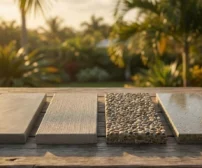
Concrete also offers plenty of design flexibility. It does not need to be grey and dull. Homeowners can consider coloured, exposed aggregate, stencil or other decorative finishes for their project, depending on the needs of the space.
The right option will depend on the purpose of the area, the design of the property and the level of maintenance the owner is willing to undertake.

Outdoor Concrete Solutions for Canberra Homes
A number of concrete applications are available for outdoor properties. Each one has different functional requirements and should be planned according to how the space will be used.
1. Concrete Driveways
One of the most commonly used concrete surfaces around a home is the driveway.
A driveway must be capable of handling regular vehicle traffic and provide a suitable transition from the street to the property. The slope, width, drainage and edges of the driveway, along with how it connects to other surfaces, should all be considered.
Concrete can provide a simple and functional appearance, or it can be given a more decorative finish for a distinctive look.
Narrow access and steep grades require careful planning, particularly for properties with unusual layouts. Access to the site may affect concrete delivery, equipment positioning and the placement of concrete.
2. Concrete Patios and Entertaining Areas
A concrete patio can provide a practical way to create an outdoor living area for sitting, dining and entertaining.
An outdoor area can use a concrete surface instead of grass or loose materials, providing a firm and level surface for outdoor furniture and everyday activities.
The design can be integrated with the house, garden beds, retaining features and surrounding landscaping.
When designing an outdoor patio, consider how people will move between the inside and outside areas. The position of doors, steps, furniture and drainage can all influence the final layout.
If the patio will become a focal point of the backyard, decorative surfaces can also be considered.
3. Concrete Paths and Walkways
Concrete pathways can make it easier for people to move around a property while providing an obvious connection between different outdoor spaces.
Paths can connect a driveway to the front gate, run alongside a house, lead to a backyard entertaining area or provide access around a garden.
A good pathway should be both functional and visually appealing. Planning should consider width, slope, drainage and transitions between different surfaces.
Careful preparation is particularly important on smaller properties where side access may be limited.
4. Pool Surrounds
Pool areas require surfaces that can handle frequent contact with water and exposure to outdoor conditions.
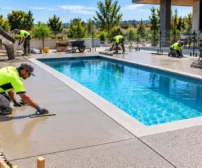
Concrete can be designed around a swimming pool to create a practical and visually connected exterior surface. The design should allow sufficient space for movement around the pool while also considering drainage and the surrounding landscape.
Surface selection is particularly important around pools. The finish should be suitable for the intended use, with an appropriate level of grip for the environment.
A professional assessment can help identify a suitable finish and layout for a particular pool area.
5. Concrete Steps
Steps can provide practical connections between different levels of a home and outdoor area.
Some landscape designs may require additional steps because of sloping blocks or changes in ground levels around Canberra homes.
Concrete steps can be incorporated into paths, patios and retaining walls to create a more integrated outdoor environment.
Steps should be appropriately sized and positioned because their dimensions and layout can influence the comfort and safety of the finished area.
6. Shed and Outdoor Slabs
Concrete slabs can provide sheds, workshops and other outdoor buildings with a firm foundation.
The slab should be designed specifically for the proposed building and surrounding environment rather than treated simply as a flat concrete surface.
Before work begins, factors such as the size and scope of the project, ground preparation, drainage, reinforcement and structural requirements should be considered.
This is one benefit of professional planning: the slab can form part of the structural foundation for the completed outdoor project.
Choosing the Right Concrete Finish
The right finish can make a significant difference to the appearance and functionality of an outdoor space.
Plain Concrete
Plain concrete provides a simple and functional option for homeowners who prefer a clean appearance.
It can work with both modern and traditional properties and provides a neutral backdrop for plants, furniture and other outdoor features.
Exposed Aggregate
Exposed aggregate reveals selected stones on the surface of the concrete.
This can create a textured appearance for driveways, walkways, patios and other outdoor areas. The type of aggregate should be discussed before installation because it can influence the overall appearance of the finished surface.
Coloured Concrete
Coloured concrete can help create a stronger visual connection between the concrete surface and the rest of the property.
Different colours can complement brickwork, exterior walls, landscaping and other design features.
The colour should be selected with the overall outdoor setting in mind rather than treated as a standalone design element.
Stencil Concrete
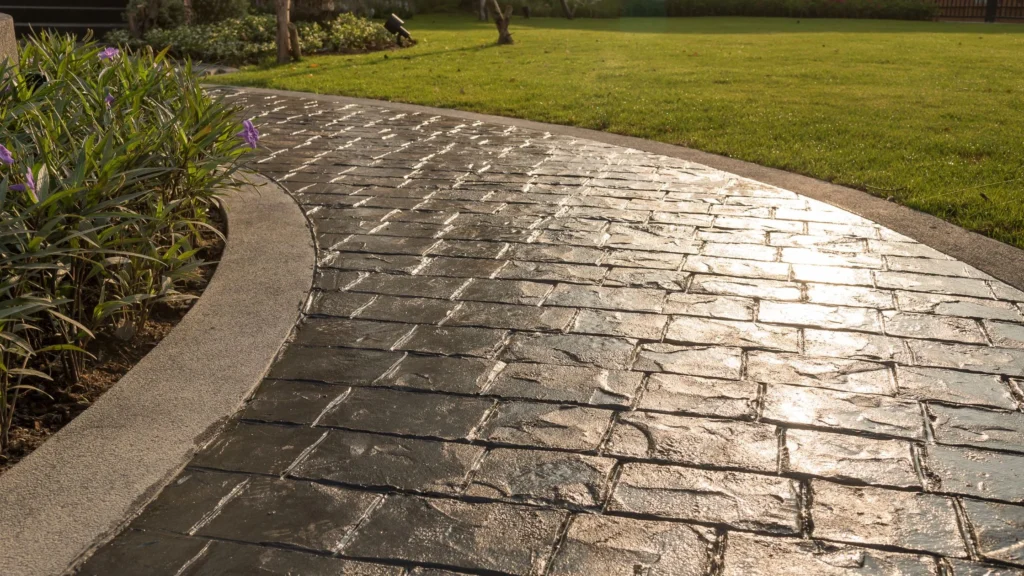
Stencil finishes can create patterns and visual effects without using separate paving materials.
They can provide the appearance of tiles, stone or other patterns while retaining a concrete base.
Stencil designs can be particularly useful for patios, pathways and entertaining areas where appearance is an important consideration.

Canberra Conditions and Outdoor Concrete
Outdoor concrete projects should always take local conditions into account.
Canberra experiences hot, dry periods as well as cold winters. These seasonal changes mean outdoor concrete needs to be planned with year-round temperature and weather fluctuations in mind.
Good preparation is important because the finished surface relies on more than the concrete mix itself.
Ground conditions, drainage, reinforcement, joints, finishing and curing can all affect long-term performance.
A well-prepared base can provide more uniform support. Proper drainage planning can also help prevent surface water from pooling or standing against buildings and other structures.
Why Is Site Preparation Important?
A crucial part of an outdoor concreting project happens before the concrete is delivered.
The site may require clearing, digging and levelling. Old concrete, garden beds, soil or other materials may need to be removed before construction begins.
The sub-base then needs to be properly prepared for the proposed project.
Formwork creates the shape and boundaries of the new concrete surface. Additional reinforcement may also be required depending on the application and design.
Poor preparation can create problems in the future. Even an attractive concrete finish cannot compensate for inadequate ground preparation.
That is why a detailed site inspection can be an important part of the planning process.
Concrete Pumping for Outdoor Projects
It can sometimes be difficult to move concrete from the delivery point to the exact location where it needs to be placed.
This is particularly relevant for properties with tight driveways, limited side access, sloping blocks, fences or greater distances between the concrete truck and the work area.
A concrete pump can help with concrete placement when direct access is challenging. The equipment can transport concrete to the required location and may also reduce the amount of manual handling needed.
The appropriate pumping solution depends on the location of the pour, access, distance, site layout and amount of concrete required.
When considering the best concrete pump Canberra option for a project, the actual requirements of the job should be considered rather than simply the size of the equipment.
Before the pour day, a site evaluation can help identify access limitations and potential placement issues.

Planning Outdoor Concrete Around Landscaping
Concrete should complement the landscape rather than create problems for it.
When planning installation, consider garden beds, trees, retaining walls, fencing and existing pathways.
Providing adequate planting space around garden areas can help create a more balanced overall design.
Concrete surfaces should also be planned carefully when they are positioned next to garden areas. Suitable drainage can help direct water away from buildings and other sensitive areas.
Careful access planning can also minimise unnecessary disturbance to properties that already have established gardens.
How to Prepare for a Concrete Project
When designing a concrete project, it is important to consider a wide range of factors. Good preparation can make installation easier and help avoid potential problems.
First, determine what you want the outdoor area to be used for. A driveway does not need to meet the same requirements as a patio, while a pool surround has different needs from a garden path.
Next, consider the layout.
Think about:
- Where people will walk
- Where vehicles will travel
- Where furniture will be positioned
- How water will drain
- Where steps or level changes are required
- How the new surface connects with existing areas
- How concrete trucks and equipment can access the property
It is also useful to decide on the preferred finish before construction begins.
Discussing these details with an experienced concreting professional can help identify practical issues before work starts.
What to Look for in a Canberra Concrete Contractor
Choosing a contractor involves more than simply comparing prices.
Look for experience with the type of outdoor work you want to undertake. A driveway contractor may have a different background from a decorative concrete contractor or a structural slab contractor.
It is also sensible to check licensing, insurance, project inclusions and previous work.
Canberra homeowners should consider verifying the appropriate construction licence and insurance cover, as well as discussing previous experience and reviewing the written scope of work.
Questions about site preparation, reinforcement, finishing, curing, access and clean-up should also be discussed.
A clear written scope can help prevent misunderstandings once the project begins.
Common Mistakes to Avoid
There are several planning mistakes that can affect outdoor concrete projects.
Ignoring Drainage
Water management should be considered from the beginning. Poor drainage planning can create problems around buildings and other structures.
Choosing a Finish Only for Appearance
The finish should suit both the appearance and functional requirements of the area.
Underestimating Site Access
Even when a property is accessible from the street, there may be limitations when concrete trucks, equipment and workers need to reach the actual pour location.
Forgetting Future Landscaping
Consider how gardens, fences and outdoor structures may need to be changed or accessed around the new concrete.
Focusing on Only the First Quote
One quote may not include the same level of preparation, reinforcement, finishing or clean-up as another.
A comprehensive comparison can provide a clearer basis for making a decision.
Maintaining Outdoor Concrete
Although concrete is relatively easy to maintain, regular care can help preserve its appearance.
Sweep outdoor surfaces regularly to remove dirt, leaves and debris.
Clean up spills when possible, particularly in areas used for outdoor living and entertaining.
Keep drainage points clear so surface water can move away properly.
Avoid excessive pressure when cleaning and do not use chemicals that could damage the particular concrete finish.
Maintenance requirements can vary between plain and decorative concrete surfaces, so it is best to follow recommendations appropriate to the specific finish.
What Is the Best Time to Plan Outdoor Concrete?
Outdoor concrete work needs to be completed under suitable site and weather conditions.
Planning in advance can help coordinate concrete delivery, site preparation, equipment and finishing.
Homeowners should consider planning their project early, particularly when access is difficult or several trades are involved.
This can be especially useful when the concrete work forms part of a larger landscaping, renovation or outdoor improvement project.
Final Thoughts
Outdoor Concrete in Canberra can be used in many ways beyond basic paving. Driveways, patios, pathways, pool surrounds, steps and outdoor slabs can all be designed to improve the function and appearance of a property.
Good planning is the first step towards achieving a suitable result.
Before construction begins, consider the purpose of the space, site access, ground preparation, drainage, reinforcement and long-term maintenance requirements.
Equipment planning may also be necessary for more complex projects where concrete placement is challenging. For properties where the delivery point and pour area are not in the same location, difficult access may be managed with an appropriate pumping solution.
Whether you are planning a new driveway, an outdoor entertaining area or another exterior project, an experienced local concrete professional can help develop a solution that suits the Canberra property and its intended use.
Contact Information
Phone: 0431 961 460
Email: info@canberraconcretepump.com
Website: https://concretepumpcanberra.com.au/
Planning an outdoor concrete project in Canberra? Get in touch with Concrete Pump Canberra to discuss your site, concrete requirements and the right solution for your project.