
A swimming pool can become one of the most enjoyable parts of a Canberra home, especially during the warmer months. But the area surrounding the pool is just as important as the pool itself. A well-designed pool surround provides a practical transition between the water and the rest of the backyard while supporting safe movement, drainage, entertaining and everyday use.
Concrete Pool Surrounds in Canberra are a popular option because concrete offers flexibility in design, finish and layout. It can be shaped around different pool styles and coordinated with landscaping, outdoor entertaining areas and existing parts of the home.
However, choosing the right finish is only one part of the process. Pool surrounds need to be planned with safety, drainage, surface texture, maintenance, access and Canberra’s changing weather conditions in mind.
This guide explores the main considerations for designing, installing and maintaining a concrete pool surround in Canberra.

What Is a Concrete Pool Surround?
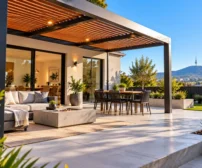
A concrete pool surround is the paved or finished area immediately around a swimming pool. It provides space for people to walk around the pool and can also connect the pool with outdoor entertaining areas, gardens, patios and other parts of the property.
The surround may be designed as a narrow perimeter around the pool or as a larger outdoor area containing seating, dining and entertaining zones.
Concrete is particularly adaptable because it can be formed around curves, corners, steps and different pool shapes.
The finished appearance can also vary significantly depending on the selected concrete finish, colour, texture and layout.

Why Choose Concrete for a Pool Surround?
There are several reasons homeowners consider concrete when planning a pool area.
Durable Outdoor Surface
A pool surround needs to handle regular foot traffic, outdoor furniture and exposure to weather. Properly prepared and installed concrete can provide a stable surface for everyday use.
The durability of the finished area depends on factors such as ground preparation, reinforcement, drainage, concrete selection, finishing and curing.
Flexible Design
Concrete allows homeowners to create different visual styles without being limited to standard paving shapes.
It can be used around straight-edged pools, curved pools, steps and irregular layouts.
Different finishes can also help create a more customised appearance.
Easy to Coordinate
A concrete pool surround can be designed to complement existing patios, pathways, landscaping and outdoor structures.
Using related colours and finishes throughout the backyard can help create a more consistent overall appearance.
Suitable for Larger Areas
For larger pool areas, concrete can create a continuous surface with fewer individual joints than some alternative paving systems.
This can help create a clean and spacious appearance, particularly around contemporary pool designs.
Pool Surround Design Ideas for Canberra Homes
There is no single style that suits every Canberra property. The best design depends on the pool, home architecture, garden, available space and how the area will be used.
Minimalist Pool Surround
A simple concrete finish with clean lines can work well with modern homes.
Neutral colours and uncomplicated layouts can keep the focus on the pool and surrounding landscaping.
This approach can also make smaller outdoor areas feel less visually crowded.
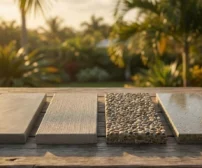
Exposed Aggregate Surround
Exposed aggregate can add texture and visual interest to the pool area.
The aggregate stones become visible at the surface after finishing, creating a distinctive appearance that can work well with gardens, stone features and contemporary landscapes.
Coloured Concrete
Coloured concrete can help the pool coordinate with the exterior of the home.
Earthy and neutral tones may blend naturally with landscaping, while lighter tones can create a brighter outdoor appearance.
Colour selection should also consider how the surface will look when exposed to sunlight, water and surrounding materials.
Decorative Concrete
Decorative finishes can introduce patterns, borders or additional visual detail.
For example, a simple central finish can be combined with a contrasting border to define the pool perimeter.
The design should remain practical rather than relying on decoration alone. Surface performance and safety are particularly important around swimming pools.

Safety Considerations for Pool Surrounds
Safety should be one of the first considerations when designing a pool surround.
Pool areas are frequently exposed to water, which means surfaces can become wet and potentially slippery.
Choose an Appropriate Surface Texture
The surface finish should be suitable for a wet environment.
A decorative finish that looks attractive but becomes difficult to walk on when wet may not be appropriate for a pool area.
Discuss slip resistance and surface texture with the concreting professional before selecting a finish.
Consider Changes in Level
Steps, raised areas and transitions between different surfaces should be carefully planned.
Sudden changes in level can create trip hazards, especially when people are moving around a wet pool area.
Where steps are required, they should be clearly planned and constructed with safe dimensions and suitable finishes.
Keep the Area Clear
Pool surrounds should provide enough clear space for people to move around the pool.
Furniture, planters and decorative items should not unnecessarily obstruct circulation areas.
The layout should also allow convenient access for cleaning and maintenance.
Drainage Around a Pool
Drainage is one of the most important technical considerations.
Water from the pool, splashing, cleaning and rain can all reach the surrounding concrete. The area needs to be designed so water does not remain on the surface or flow toward unsuitable locations.
Appropriate falls and drainage points should be planned before the concrete is placed.
The finished surface should also work with existing stormwater arrangements and the overall levels of the property.
Poor drainage can contribute to water pooling, staining, deterioration and unwanted water movement toward buildings or landscaped areas.
For this reason, drainage should be considered during the design and preparation stage rather than after the concrete has been installed.
Canberra Weather and Pool Surrounds
Canberra experiences distinct seasonal changes, so outdoor concrete needs to be planned with local conditions in mind.
Summer can bring strong sunlight and high temperatures, while winter can bring very cold conditions and frost.
These conditions make good construction practices particularly important.
The ground beneath the concrete needs to be properly prepared, and drainage should be carefully considered.
The selected finish should also be suitable for the intended environment and regular outdoor exposure.
Good design does not eliminate natural weathering, but appropriate preparation and maintenance can help keep the pool surround looking and performing well.
Planning the Pool Surround Before Construction
Before construction begins, consider the entire pool area rather than focusing only on the concrete.
Think about:
- Pool shape and dimensions
- Surround width
- Access around the pool
- Steps and level changes
- Drainage
- Pool fencing
- Landscaping
- Outdoor furniture
- Entertaining areas
- Lighting
- Existing pathways
- Access for construction equipment
This broader approach can prevent conflicts between different elements later in the project.
For example, a pool surround may look spacious on a drawing, but furniture, garden beds and fencing can significantly reduce usable movement space.
Planning everything together can produce a more functional result.
Pool Fencing and Compliance
A swimming pool area is subject to safety requirements, and pool fencing is an important part of the overall design.
The fence should be considered alongside the pool surround rather than added at the end.
Post locations, gates, access routes and changes in level can all affect how the surrounding area is constructed.
Because pool safety requirements can change and can depend on the specific pool and property, homeowners should check the current ACT requirements before construction or alteration work begins.
The ACT Government provides guidance on swimming pool safety, including requirements relating to pool barriers and access. Homeowners should use current government information or consult an appropriately qualified professional when planning their pool area.
Concrete Placement and Pool Access
Access can become challenging on residential properties.
A pool may be located behind the house, down a narrow side passage or in an area surrounded by existing landscaping.
In these situations, concrete placement needs to be considered before the project begins.
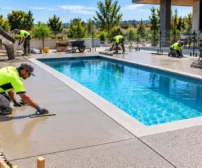
Depending on the site, concrete pump hire may be considered when the concrete truck cannot position close enough to the pool surround.
Pumping can help deliver concrete to areas that are difficult to reach directly, but the appropriate setup depends on the specific site.
Factors can include:
- Distance from the truck to the pool
- Available access
- Ground levels
- Pool location
- Required concrete volume
- Hose or equipment positioning
- Surrounding structures
- Safety around the work area
The objective is to select a practical placement method for the site rather than choosing equipment based on size alone.
Preparing the Ground
The quality of a concrete pool surround depends heavily on what happens underneath it.
Before concrete placement, the area may require excavation, removal of unsuitable material, levelling and base preparation.
The prepared base needs to provide suitable support for the finished surface.
Poor preparation can contribute to movement, settlement and cracking.
The site should also be checked for existing services, drainage lines, tree roots and other obstacles before excavation begins.
Reinforcement and Joints
Depending on the project design and engineering requirements, reinforcement may be incorporated into the concrete.
Joints are another important consideration.
Concrete naturally undergoes movement as conditions change. Properly planned joints can help manage movement and reduce the risk of uncontrolled cracking.
The exact reinforcement and jointing approach should be determined according to the project requirements and site conditions.
Choosing the Right Concrete Finish
The finish should be selected based on both appearance and practical use.
Plain Concrete
Plain concrete provides a simple and clean appearance.
It can suit minimalist pool areas and can be combined with landscaping or other materials to create visual interest.
Exposed Aggregate
Exposed aggregate provides a textured appearance and is commonly considered for outdoor areas.
The aggregate selection can influence the final colour and visual character of the surround.
Coloured Concrete
Coloured concrete can coordinate with paving, brickwork, stone, fencing and garden elements.
A neutral tone can provide a subtle appearance, while a stronger colour can make the pool surround more distinctive.
Stencilled Finishes
Stencil patterns can create decorative effects and borders.
However, pool areas require careful consideration of surface texture and slip performance. The appearance should never be prioritised over safety.
Maintaining a Concrete Pool Surround
Regular maintenance can help preserve the appearance and functionality of the pool area.
Regular Cleaning
Leaves, dirt, dust and other debris should be removed regularly.
This is particularly important around pools because organic material can become slippery when wet.
Address Stains Early
Pool chemicals, leaves, soil and other materials can contribute to staining.
Cleaning spills and marks promptly can make maintenance easier.
The cleaning method should be appropriate for the specific concrete finish.
Watch for Cracks and Movement
Small changes in the surface should be monitored.
If cracking, settlement or drainage problems become noticeable, they should be assessed rather than ignored.
Early attention may help prevent a minor issue from becoming a larger repair requirement.
Maintain Drainage
Keep drains and drainage paths free from leaves and debris.
Blocked drainage can lead to water pooling around the pool area.
Look After Surrounding Landscaping
Plants, soil and mulch should be kept appropriately away from drainage points and concrete edges.
Tree roots should also be considered when planning landscaping around large concrete areas.
Common Pool Surround Mistakes
Choosing Appearance Over Safety
An attractive finish is important, but the pool environment requires careful consideration of wet-surface performance.
Poor Drainage Planning
Water should have a planned route away from the pool surround and nearby structures.
Insufficient Space
A narrow surround may look efficient but can become inconvenient once people, furniture and pool equipment are added.
Ignoring Access
Restricted access can significantly affect the way concrete reaches the work area.
Adding Features Too Late
Fencing, lighting, landscaping, outdoor furniture and drainage should be considered before the concrete layout is finalised.
When to Consider Professional Concrete Services
Pool surrounds involve more than simply pouring concrete around a pool.
The work may involve excavation, base preparation, formwork, reinforcement, drainage, finishing and careful concrete placement.
Experienced concreting professionals can help assess the site and identify practical considerations before construction begins.
For projects where direct truck access is difficult, discussing concrete pump hire early can also help determine how concrete can reach the required location.
The right approach will depend on the property and the specific pool design.
Benefits of a Well-Planned Pool Surround
A properly designed concrete surround can improve both the appearance and usability of a pool area.
It can create a defined space around the pool, provide a stable walking surface, connect the pool with the wider backyard and support outdoor entertaining.
A thoughtful design can also make cleaning and maintenance easier by providing suitable access around the pool.
For Canberra homeowners, combining good drainage, appropriate surface selection, practical access and regular maintenance can help create a pool area that remains functional across different seasons.
Final Thoughts
Concrete Pool Surrounds in Canberra require careful planning from the ground up. The best result is not simply about choosing an attractive concrete colour or finish. Drainage, surface texture, pool access, fencing, landscaping, weather exposure and ongoing maintenance all play an important role.
Start by considering how the pool area will be used, then plan the surround width, concrete finish, drainage and access. Check relevant pool safety and building requirements before construction and make sure the concrete placement method is suitable for the site.
For properties with restricted access, concrete pump hire may provide a practical way to place concrete where direct truck access is not possible.
With the right preparation and a suitable design, a concrete pool surround can create a durable and attractive outdoor area that complements a Canberra home.
Contact Information
Phone: 0431 961 460
Email: info@canberraconcretepump.com
Website: https://concretepumpcanberra.com.au/
Planning a new pool surround in Canberra? Get in touch with Concrete Pump Canberra to discuss your concrete requirements, site access and the right approach for your project.