
Outdoor spaces have become an important part of modern home design. A well-planned outdoor area can provide space for relaxing, entertaining guests, enjoying meals and spending time with family. In Canberra, where homes feature a mix of contemporary architecture, established gardens and sloping blocks, choosing the right outdoor surface can make a real difference.
Concrete Decking in Canberra offers a practical way to create a modern outdoor area with a clean appearance and flexible design options. Concrete can be shaped to suit different layouts, finished in a range of colours and textures, and connected with patios, pathways, gardens and pool areas.
Unlike traditional timber decking, concrete does not rely on individual timber boards. It provides a solid surface that can be designed to complement the home and surrounding landscape. With suitable preparation, drainage and maintenance, it can remain a useful part of an outdoor living area for many years.
This guide explores modern concrete decking ideas, suitable finishes, planning considerations, site preparation and ways to create a functional outdoor space in Canberra.

What Is Concrete Decking?
Concrete decking is an outdoor surface designed to create a deck-like living area using concrete rather than traditional timber boards. It can be installed beside a house, around a garden, near a swimming pool or as part of a larger entertaining space.
The design may feature a simple flat surface, decorative borders, coloured concrete or textured finishes. Concrete can also be used to connect different outdoor zones, such as a patio, garden path and barbecue area.
Although the term decking is often associated with raised timber structures, concrete decking usually refers to a ground-supported concrete surface. A raised concrete deck requires a suitable structural design and should not be treated like an ordinary ground-level slab.
The right design depends on the property, intended use, ground conditions and overall landscape plan.

Why Choose Concrete Decking for Canberra Homes?
Concrete offers several benefits for homeowners who want a modern and practical outdoor area.
1. A Clean, Modern Appearance
Concrete works well with contemporary home designs. Its simple lines can complement brick walls, rendered surfaces, large windows, metal features and landscaped gardens.
A plain finish can create a minimalist look, while coloured or decorative concrete can add more visual interest.
This flexibility makes concrete suitable for both new homes and outdoor renovations.
2. A Durable Outdoor Surface
A properly designed and installed concrete surface can handle everyday foot traffic, outdoor furniture and regular use.
Its performance depends on the quality of the base, concrete selection, reinforcement where required, drainage, joints, finishing and curing.
Good preparation is especially important on properties with uneven ground or changing soil conditions.
3. Flexible Layout Options
Concrete can be formed into many shapes and sizes. It can create a wide entertaining area, a narrow side path or a defined space between the house and garden.
It can also be coordinated with existing concrete patios, steps and pathways.
This helps homeowners create an outdoor layout that suits the available space rather than working around standard board sizes.
4. Straightforward Routine Care
Concrete does not need sanding, staining or repainting in the same way that some timber decking does.
Regular sweeping and occasional cleaning can help keep the surface looking tidy. Decorative finishes may require additional care, and any protective sealer should be maintained according to the manufacturer’s guidance.
Concrete can still develop cracks, stains or surface wear, so proper installation and routine checks remain important.
Modern Concrete Decking Design Ideas
The best design is one that suits the home and how the outdoor space will be used. Here are several ideas to consider.
Minimalist Concrete Decking
A minimalist design uses simple shapes, neutral colours and clean edges.
Light grey concrete can complement modern architecture, while darker tones can create a stronger contrast with light walls and green landscaping.
Keep the layout simple and avoid adding too many different materials. A consistent surface can make the outdoor area feel larger and more organised.
This style is particularly suitable for homeowners who prefer a neat, uncluttered appearance.
Concrete Decking With Garden Borders
Concrete can create a clear edge between an entertaining area and the garden.
Garden beds along the perimeter can soften the appearance of the hard surface. Small trees, shrubs and low-growing plants can add colour and texture without taking over the space.
Consider leaving enough room for drainage, maintenance and plant growth. Tree roots should also be considered when choosing the location of larger concrete areas.
Outdoor Dining and Entertaining Areas
A concrete deck can provide a stable base for an outdoor dining table, chairs and barbecue.
Before construction, decide where the furniture will sit and how people will move around it. Allow enough room to pull out chairs and walk between the dining area and the house.
If the space will include an outdoor kitchen, consider the locations of water, electricity, drainage and any required service connections before the concrete is poured.
Planning these details early can reduce the need for later alterations.
Concrete Decking With a Pergola
A pergola can help define an outdoor living area and provide shade.
Combining a concrete surface with a pergola creates a space that can be used for dining, relaxing or entertaining. The structure can be designed to complement the home’s roofline, exterior colours and existing landscape.
Post locations and footing requirements should be decided before the concrete work begins. This helps ensure that the concrete layout and pergola structure work together.
Depending on the proposed design, ACT approval requirements may also need to be checked.
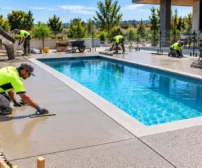
Poolside Concrete Decking
Concrete can also be used around swimming pools to create a consistent outdoor surface.
The design should prioritise appropriate slip resistance, drainage and comfortable movement around the pool. A decorative finish should not be chosen on appearance alone.
Pool fencing, gates, changes in level and access routes must also be considered as part of the overall layout.
Homeowners should check current ACT pool safety requirements before undertaking work around a swimming pool.
Concrete Decking on Sloping Blocks
Some Canberra properties have sloping backyards or uneven ground. These sites may need more planning than a flat outdoor area.
Depending on the slope, the design may involve excavation, retaining structures, steps or changes in ground level.
The aim is to create a stable and usable area while managing water runoff safely.
A steep slope or a proposed raised structure may require engineering advice. Do not assume that a standard ground-level slab design will be suitable for every site.

Choosing the Right Concrete Finish
The finish has a major influence on the appearance and everyday performance of concrete decking.
Plain Concrete
Plain concrete provides a simple, understated look. It can suit modern homes and works well with gardens, outdoor furniture and pergolas.
It is a useful option when the goal is to create a clean surface without a strong decorative pattern.
Coloured Concrete
Coloured concrete allows the surface to coordinate with the house and surrounding materials.
Grey tones can create a contemporary look, while warmer shades may complement brickwork, stone and natural landscaping.
View colour samples in different lighting conditions before making a final choice, as the finished colour can look different in direct sunlight and shade.
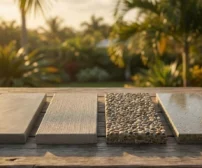
Exposed Aggregate
Exposed aggregate reveals decorative stones within the concrete surface.
This finish adds texture and visual interest, making it a popular option for outdoor areas. The type and colour of the aggregate influence the final appearance.
For areas exposed to water, ask the concreting professional whether the selected finish provides suitable slip resistance for its intended use.
Decorative or Stencilled Concrete
Decorative concrete can introduce borders, patterns and visual variation.
It may be useful when connecting a patio with a garden path or defining separate outdoor zones.
Keep the design consistent with the rest of the property. Too many patterns or contrasting finishes can make a small outdoor space feel busy.
Planning Concrete Decking for Canberra’s Climate
Canberra experiences hot summers, cold winters and periods of frost. These seasonal changes should be considered when planning an outdoor concrete surface.
Prepare for Hot Weather
Hot conditions can affect how quickly fresh concrete loses moisture. The timing of placement, finishing and curing should be managed appropriately.
Professional planning can help reduce the risk of surface defects associated with unsuitable placement or curing practices.
Consider Winter Conditions
Cold weather and frost can affect ground conditions and construction work. The timing of concrete placement and the curing process should account for the conditions at the site.
The finished surface also needs suitable drainage to prevent water from collecting in unwanted areas.
Plan for Rainwater
Rainwater should have a clear route away from the house and other structures.
The design should consider the existing ground levels, garden beds, downpipes and drainage systems. Correct falls help reduce standing water and support the long-term performance of the surface.
Good drainage is essential, regardless of the selected concrete finish.
Site Preparation and Ground Conditions
A quality concrete surface starts with proper site preparation.
The construction team may need to remove vegetation, excavate soil, level the area and prepare a suitable base before installing formwork and placing concrete.
The required preparation depends on the site and the intended use of the finished surface.
Important checks include:
- Soil condition and ground stability
- Existing underground services
- Tree roots and nearby landscaping
- Drainage paths and water runoff
- Slope and changes in level
- Access for concrete delivery
- Nearby buildings and boundaries
- Required slab thickness and reinforcement
Skipping preparation can contribute to settlement, movement and cracking. Taking time to assess the site helps establish a suitable foundation for the concrete.
Concrete Placement and Access
Access can affect how concrete is delivered to the work area.
Some Canberra homes have narrow side passages, limited driveway access, retaining walls or backyards that sit well away from the street. These conditions can make it difficult for a concrete truck to deliver concrete directly to the pour location.
In such cases, concrete pump hire may be worth considering.
A concrete pump can transfer concrete through a delivery line to a suitable placement point. The right setup depends on the distance, height, volume, access restrictions and site conditions.
For example, a backyard entertaining area may be difficult to reach because the house blocks direct access. Pumping may provide a practical placement option, depending on the layout and equipment available.
Before arranging equipment, discuss the site with the concreting team. They can assess the proposed pour and help determine a suitable delivery method.
Drainage, Joints and Crack Prevention
Concrete naturally changes slightly as it cures and responds to temperature and moisture changes. Good design can help manage these movements, although it cannot guarantee a completely crack-free surface.
Plan Suitable Drainage
The surface should be designed with appropriate falls so rainwater does not collect near doors, walls or other structures.
Drainage must work with the surrounding garden and existing stormwater system.
Include Appropriate Joints
Control joints can help manage where shrinkage-related cracking is more likely to occur.
Their position and spacing depend on the size, shape, thickness and design of the concrete surface.
Use Suitable Construction Methods
Base preparation, reinforcement where required, concrete selection and curing all affect the finished result.
These details should be decided according to the project requirements rather than relying on a one-size-fits-all approach.
How to Maintain Concrete Decking
Concrete is relatively straightforward to maintain, but regular care can help preserve its appearance.
Sweep and Clean Regularly
Remove leaves, dust, dirt and other debris before they build up.
Wash the surface with a suitable cleaning method when required. Avoid harsh chemicals unless they are confirmed as appropriate for the selected finish.
Deal With Stains Early
Food, oil, soil and organic debris can leave marks on concrete.
Clean spills promptly and use a product that suits the concrete finish. Test a cleaning product on a small, inconspicuous area before applying it across the surface.
Check for Cracks and Settlement
Inspect the surface periodically for cracks, uneven areas or changes in drainage.
Not every crack indicates a serious problem, but noticeable movement or worsening damage should be assessed by a qualified professional.
Maintain Protective Sealers
Some decorative concrete finishes benefit from a suitable sealer. The type of sealer and maintenance interval depend on the product, surface finish and exposure conditions.
Follow the manufacturer’s instructions rather than applying products without checking compatibility.
Common Concrete Decking Mistakes to Avoid
A few planning mistakes can affect the appearance and function of the finished area.
Ignoring drainage: Poor water management can cause pooling and may affect nearby structures.
Choosing a finish without considering use: A surface suitable for a garden path may not be ideal for a wet poolside area.
Forgetting furniture dimensions: A layout that looks spacious on paper may feel crowded once outdoor furniture is installed.
Overlooking access: Restricted access can affect the delivery and placement of concrete.
Planning the pergola too late: Post locations and footings should be coordinated with the concrete design.
Skipping site checks: Ground conditions, underground services and approval requirements should be reviewed before work begins.
Do You Need Approval for Concrete Decking in Canberra?
Approval requirements depend on the proposed work and the characteristics of the property.
A simple ground-level concrete surface may have different requirements from a raised deck, retaining wall, pergola or structure attached to a home.
Work involving excavation, significant changes in ground level or structural elements may require further assessment. Heritage restrictions, lease conditions and other property-specific requirements may also apply.
Before construction, check the current ACT planning and building approval guidance. If the design includes a raised structure or complex ground conditions, seek advice from an appropriately qualified building professional.
Confirming these details early can help prevent delays and unexpected changes.
How to Plan Your Concrete Decking Project
A clear plan makes it easier to coordinate design, preparation and construction.
Step 1: Decide How You Will Use the Space
Think about whether the area will be used for dining, entertaining, relaxing, pool access or a combination of activities.
Step 2: Measure the Available Area
Consider the house, garden, pathways, boundaries and existing structures. Allow sufficient room for furniture and movement.
Step 3: Select the Finish
Choose a finish that complements the property and suits the intended use. Consider texture, maintenance and slip resistance where relevant.
Step 4: Assess the Site
Review ground conditions, drainage, slope and access before finalising the design.
Step 5: Coordinate Other Features
Plan pergola posts, steps, lighting, garden beds and service connections before concrete placement.
Step 6: Confirm Approvals and Construction Details
Check relevant requirements and discuss preparation, reinforcement, joints and curing with the construction team.
Step 7: Plan Ongoing Care
Understand how to clean the finished surface and whether it needs a compatible protective sealer.
Final Thoughts
Concrete Decking in Canberra offers a flexible way to create modern outdoor spaces that complement the home and garden. From minimalist entertaining areas to decorative pool surrounds and pergola-covered patios, concrete can be designed to suit different property layouts and lifestyles.
The best results come from careful planning. Ground preparation, drainage, surface selection, construction access and Canberra’s changing weather all deserve attention before work begins.
For properties with restricted access, concrete pump hire may help with concrete placement where direct truck access is limited. Discussing these requirements early can help the team plan a suitable approach for the site.
With a well-considered design, suitable construction methods and regular maintenance, concrete can provide a practical outdoor surface that remains attractive and useful for years to come.
Contact Information
Phone: 0431 961 460
Email: info@canberraconcretepump.com
Website: https://concretepumpcanberra.com.au/
Planning concrete decking in Canberra? Get in touch with Concrete Pump Canberra to discuss your outdoor concrete project, site access and concrete placement requirements.