
Renovation projects can completely transform a home, but getting concrete into the right location can be one of the more challenging parts of the job. This is especially true when the property has a narrow driveway, limited vehicle access, steep ground, existing structures or a backyard that is difficult to reach.
In these situations, concrete pumping for renovations can provide a practical way to move concrete from the delivery point to the exact area where it is needed.
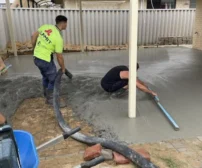
Instead of relying on wheelbarrows, buckets or manual handling, a concrete pump can deliver concrete through a connected line or boom. This can make the pouring process more controlled, efficient and suitable for renovation sites where access is restricted.
For homeowners, builders and contractors working around Canberra, understanding when concrete pumping is useful can help make renovation pours easier to plan.

What Is Concrete Pumping for Renovations?
Concrete pumping for renovations involves using specialised pumping equipment to transport ready-mix concrete from a concrete agitator to the renovation area.
The concrete can be delivered through:
- A line pump with flexible delivery hoses
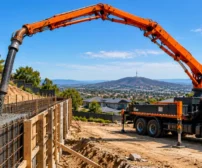
- A boom pump with an articulated boom
- A combination of boom and additional line sections where required
The right setup depends on the size of the pour, site access, distance, height and location of the renovation work.
For example, if a new slab is being constructed at the rear of a property and the concrete truck cannot drive close enough, a pump can help move the concrete over the required distance.

Why Are Renovation Sites Often Difficult to Access?
New construction sites are usually planned with equipment access in mind. Renovations are different.
The existing home, landscaping, fences and neighbouring properties may already limit where vehicles and equipment can go.
Common access challenges include:
Narrow Driveways: Some Canberra homes have driveways that are too narrow or difficult for a large concrete truck to position close to the pour area.
Limited Backyard Access: A renovation may involve constructing a new slab, extension or outdoor area behind the existing house. Carrying concrete from the front of the property can be slow and labour-intensive.
Existing Buildings: The existing house can prevent direct access to the area being renovated.
Fences and Landscaping: Retaining walls, garden beds, fences, trees and other structures can create obstacles between the concrete truck and the pour location.
Sloping Blocks: Properties on sloping or uneven ground can make manual concrete movement particularly difficult.
These are exactly the types of conditions where a carefully planned pumping setup can be valuable.
How Does Concrete Pumping Help With Difficult Access?
The main advantage is that the pump allows concrete to travel from the truck to the required location without needing the delivery vehicle to sit directly beside the pour.
Depending on the site, hoses or a boom can be positioned around obstacles and across difficult sections.
This can be useful for renovation work such as:
- House extensions
- New floor slabs
- Garage renovations
- Backyard studios
- Patios and outdoor areas
- Driveway extensions
- Retaining wall foundations
- Pool renovations
- Footings
- Paths and other concrete areas
The exact pumping method should always be selected after assessing the site.

Line Pump or Boom Pump for a Renovation?
Choosing the right pump is an important part of planning concrete pumping for renovations.
Line Pumps
Line pumps are often suitable for renovation projects where access is restricted and the concrete needs to travel through hoses to a specific location.
They can be useful for:
- Residential slabs
- Footings
- Small extensions
- Backyard projects
- Narrow-access sites
- Areas where flexible hose placement is helpful
The hoses can be positioned along the required route, subject to site conditions and pumping requirements.
Boom Pumps
Boom pumps use a hydraulic articulated boom to position the delivery hose over obstacles and into the pour area.
They may be appropriate when:
- The pour is larger
- Greater reach is required
- The concrete needs to be placed from above
- There are obstacles between the truck and pour area
- A faster placement method is beneficial
A professional pump operator can assess the renovation site and determine which option is more practical.
Concrete Pumping Can Reduce Manual Handling
One of the biggest difficulties with renovation pours is moving wet concrete manually.
Imagine a backyard slab located 30 or 40 metres from the nearest practical truck position. Without pumping equipment, workers may need to move concrete repeatedly using wheelbarrows.
This can add considerable physical effort and make the pour more difficult to manage.
With a suitable pumping arrangement, concrete can be delivered closer to where it is required, allowing the crew to focus on placing, spreading and finishing the concrete.
However, pumping does not eliminate the need for a properly organised crew. Concrete still needs to be placed, levelled, compacted and finished correctly.
Planning the Pump Location Is Important
A successful renovation pour starts before the pump arrives.
The pump needs a suitable position where it can be safely set up and operated. The delivery route also needs to be considered.
Before booking, consider:
- Where the concrete truck will arrive
- Where the pump can be positioned
- The distance to the pour area
- Available driveway width
- Overhead clearance
- Trees and power lines
- Existing structures
- Fence locations
- Ground conditions
- Hose access
- Traffic and pedestrian movement
- Where workers will stand during the pour
Providing accurate information about the property can help the pumping contractor recommend a suitable setup.

Can Concrete Be Pumped Over or Around a House?
In some renovation situations, the concrete needs to reach an area that cannot be accessed directly from the driveway.
A boom pump may be able to extend over certain obstacles, depending on the required reach and site conditions.
For example, a renovation area could be located:
- Behind an existing house
- On a lower section of a sloping block
- Behind a fence
- Beside an existing structure
- In a difficult-to-access backyard
The available reach and safe operating area must be assessed before the pour.
Never assume that a pump can reach a particular location simply because the distance appears manageable. Site layout, boom configuration, obstacles and setup requirements all matter.
What Should You Prepare Before the Concrete Pump Arrives?
Good preparation can make a major difference on renovation projects.
1. Confirm the Pour Area: Make sure the formwork, reinforcement and preparation work are complete before the concrete arrives.
2. Clear the Access Route: Remove unnecessary materials, vehicles and obstacles from the pump and concrete truck access areas.
3. Check Overhead Clearance: Trees, cables and other overhead obstacles should be identified before equipment arrives.
4. Prepare the Formwork: Concrete should only be placed into properly prepared and supported formwork.
5. Have Enough Workers Available: The pumping operator controls the equipment, but the site crew is responsible for placing and finishing the concrete.
6. Confirm Concrete Requirements: Make sure the ordered concrete mix, quantity and delivery schedule match the project’s requirements.
7. Communicate Site Restrictions: Tell the pump provider about narrow access, slopes, overhead obstacles, fences and other conditions before the booking.
Concrete Pumping for Home Extensions
Home extensions are a common renovation project where pumping can be useful.
An extension may require new footings and a slab close to the existing building. Depending on the layout, the concrete truck may not be able to get close to the excavation.
A pump can provide a delivery route that avoids some of these access limitations.
This can be particularly useful when the extension is located at the rear or side of an existing Canberra home.
Concrete Pumping for Backyard Renovations
Backyard renovations can involve a wide range of concrete work, including patios, entertainment areas, slabs and outdoor structures.
The challenge is often getting the concrete from the driveway to the backyard without damaging existing landscaping or spending excessive time moving material manually.
A pumping system can provide a more direct delivery method where site conditions allow.
Concrete Pumping for Sloped Canberra Properties
Canberra has many residential areas where properties can have changes in elevation.
On a sloping site, moving wet concrete manually can become more difficult. Pumping can help transport concrete along a planned delivery route rather than relying entirely on workers pushing loaded wheelbarrows up or down uneven ground. The pump setup still needs to account for safe access, equipment positioning and the characteristics of the site.
Is Concrete Pumping Faster for Renovations?
It can be, particularly when access would otherwise require significant manual movement.
The overall time saved depends on:
- Concrete volume
- Pump type
- Distance
- Site access
- Number of workers
- Concrete delivery schedule
- Complexity of the pour
- Preparation before the pump arrives
The pump itself is only one part of the process. Good preparation and coordination between the concrete supplier, pump operator and site crew are equally important.
Common Mistakes to Avoid
Even a relatively small renovation pour can become stressful if it is not properly planned.
Waiting Until the Last Minute
Concrete pumping should be organised before the concrete delivery is scheduled.
Underestimating Access Problems
A narrow driveway or backyard may look accessible until the equipment arrives. Discuss access conditions beforehand.
Forgetting Overhead Obstacles
Trees and power lines can affect where pumping equipment can safely operate.
Not Preparing the Pour Area
Formwork and reinforcement should be ready before concrete placement begins.
Having Too Few Workers
Pumping delivers concrete efficiently, but the crew still needs to place and finish it.
Choosing Equipment Without Site Assessment
The cheapest or smallest pump is not necessarily the best option. Equipment should match the site’s access and reach requirements.
Benefits of Concrete Pumping for Renovation Projects
When suitable for the site, concrete pumping can offer several practical benefits:
- Easier access to restricted areas
- Reduced manual movement of concrete
- More controlled concrete placement
- Better access around existing structures
- Potentially faster placement
- Suitable for awkward residential layouts
- Useful for sloping or difficult-access sites
- Less dependence on long wheelbarrow runs
The biggest benefit is often simply having a practical way to get concrete where it needs to go.
Why Choose an Experienced Concrete Pump Operator?
Renovation sites can be more complicated than they initially appear.
An experienced operator understands that successful pumping involves more than operating the machinery. Equipment positioning, hose routing, communication and site conditions all need to be considered.
For Canberra renovation projects, working with a concrete pumping provider familiar with residential access challenges can make the process easier to coordinate.
Concrete Pumping for Renovations in Canberra
If your renovation involves a difficult-to-access concrete area, Concrete Pump Canberra provides concrete pumping solutions for residential and commercial projects across Canberra and surrounding areas.
With experience across different site conditions, the team can help determine whether a line pump or boom pump is appropriate for your project.
Whether you’re working on a home extension, backyard slab, retaining wall, footing or another renovation project, planning the concrete delivery method early can help avoid unnecessary complications on pour day.
Renovation Concrete Pumping Checklist
Before booking your pump, have the following information ready:
- Project type: Extension, slab, patio, footing, etc.
- Concrete volume: Estimated cubic metres
- Pour location: Where the concrete needs to go
- Truck access: Where the concrete agitator can reach
- Pump access: Where the pump can safely set up
- Distance: Approximate pumping distance
- Height: Any significant vertical movement
- Obstacles: Fences, buildings, trees and landscaping
- Overhead hazards: Cables and branches
- Pour date: Planned concrete delivery date
- Site preparation: Formwork and reinforcement completed
The more information you can provide, the easier it is to plan the right pumping solution.
Contact Information
Phone: 0431 961 460
Email: info@canberraconcretepump.com
Website: https://concretepumpcanberra.com.au/
Need reliable concrete pumping for your Canberra project? Get in touch with Concrete Pump Canberra today.