Concrete placement can quickly become one of the most demanding parts of a construction project, especially when the pour area is difficult to access. Moving wet concrete manually can take significant time, require additional labor, and make it harder to maintain a smooth workflow.
This is where concrete pump truck hire can provide a practical solution.
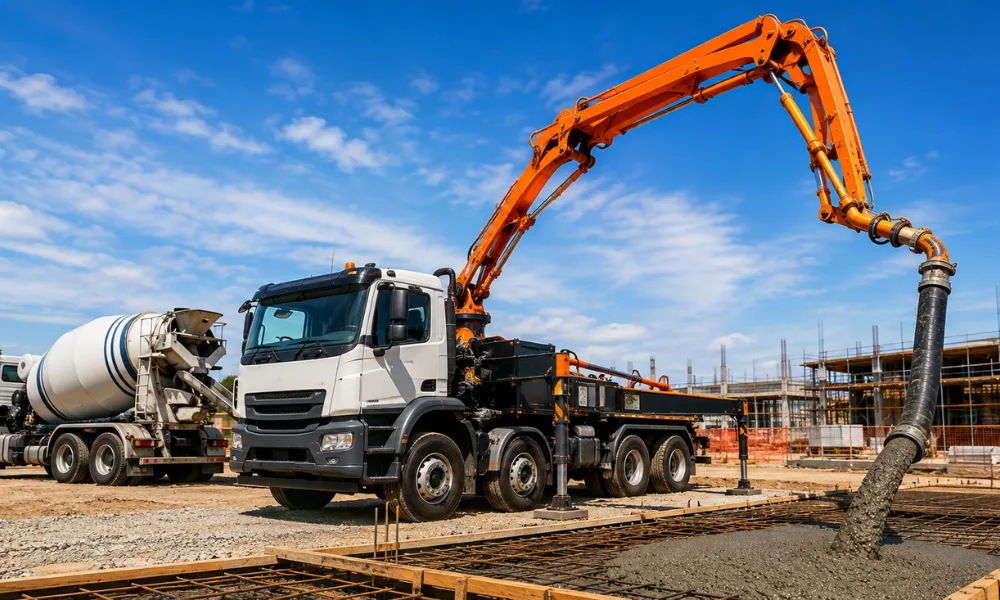
A concrete pump truck transports freshly mixed concrete from the delivery truck to the required pour location using specialized pumping equipment. Depending on the project, the equipment may use a boom or connected hoses to deliver concrete accurately and efficiently.
Whether you’re planning a residential slab, driveway, foundation, or a larger commercial project in Canberra, choosing the right concrete pump and preparing properly before booking can help your pour run more smoothly.
What Is Concrete Pump Truck Hire?
Concrete pump truck hire involves hiring specialized concrete pumping equipment, generally with a trained operator, to move concrete from the mixer truck to the location where it needs to be placed.
Instead of relying on wheelbarrows or other manual methods, the pump uses pressure to transport concrete through a delivery system.
The exact setup depends on the project. A line pump can use flexible hoses to reach areas with restricted access, while a boom pump uses a truck-mounted articulated arm to place concrete over greater distances or at height.
The right option depends on factors such as
- Project size
- Concrete volume
- Site access
- Pumping distance
- Required height
- Pour location
- Available setup space
Choosing the right equipment before the job starts can help prevent delays and unnecessary complications.
Why Hire a Concrete Pump Truck?
Concrete pumping is useful when manually transporting concrete would be slow, difficult or impractical.
Faster Concrete Placement
A pump can continuously move concrete towards the pour area while the finishing crew focuses on spreading, levelling and finishing.
This can improve the overall workflow, particularly when a large amount of concrete needs to be placed within a limited timeframe.
Less Manual Handling
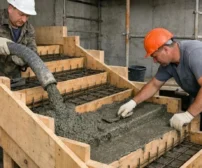
Without pumping equipment, workers may need to transport concrete using wheelbarrows or other manual methods.
A pump reduces the amount of manual movement required, allowing workers to concentrate on the actual placement and finishing process.
Better Access to Difficult Areas
Some Canberra properties have narrow driveways, restricted side access, landscaping, fences or sloping blocks.
A suitable pumping system can help deliver concrete around obstacles and into areas that may be difficult to reach directly with a concrete truck.
More Controlled Placement
Pumping allows concrete to be delivered closer to the required location, helping the placement crew maintain a more organised workflow.
This can be particularly helpful for slabs, foundations, driveways and other projects where consistent concrete placement is important.
Concrete Pump Truck vs Concrete Mixer Truck: What’s the Difference?
A common point of confusion is the difference between a concrete mixer truck and a concrete pump truck.
A concrete mixer truck transports and mixes the concrete.
A concrete pump transfers that concrete from the delivery truck to the actual pour location.
In many projects, both work together.
The mixer truck supplies the concrete, while the pump moves it through a hose or boom system to where the construction crew needs it.
This combination is particularly useful when the mixer truck cannot get close enough to the pour area.
What Type of Concrete Pump Do You Need?
One of the most important decisions before booking is choosing the appropriate type of pump.
Line Pumps
Line pumps use connected pipes and flexible hoses to transport concrete across the site.
They are often suitable for:
- Residential driveways
- Backyard slabs
- Footpaths
- Patios
- Small to medium slabs
- Tight-access areas
- Locations with narrow entry points
Line pumps are particularly useful where flexible hose routing is more practical than positioning a large boom.
Boom Pumps
Boom pumps are mounted on trucks and use an articulated hydraulic boom to position the concrete delivery hose.
They are commonly suitable for:
- Large slabs
- Commercial foundations
- Multi-storey construction
- Elevated pours
- Large-volume projects
- Projects requiring significant reach
Boom pumps can provide greater reach and faster placement for larger or more complex construction projects.
The choice between a line pump and boom pump should be based on the actual site conditions rather than simply choosing the largest available machine.
What Should You Check Before Booking?
Before arranging concrete pump truck hire, provide your pumping contractor with as much information about the project as possible.
1. Site Access
Access is one of the most important factors.
Consider:
- Driveway width
- Gate width
- Street access
- Available parking space
- Nearby buildings
- Fences
- Trees
- Overhead obstacles
- Slopes
- Ground conditions
A restricted site may require a different pumping solution from an open construction site.
2. Distance to the Pour Area
Tell the provider approximately how far the concrete needs to travel from the pump to the final placement point.
For line pumps, this can affect the amount of hose or pipe required.
For boom pumps, the required horizontal and vertical reach needs to be considered.
3. Concrete Volume
Know approximately how much concrete your project requires.
A small driveway pour and a large commercial foundation can have very different pumping requirements.
Your concrete supplier and pumping contractor should also coordinate delivery timing so the pump does not experience unnecessary waiting periods.
4. Pour Location and Height
If concrete needs to be placed at an elevated location, basement, upper floor or another difficult position, mention this before booking.
The required height and reach can influence which pump is suitable.
5. Site Preparation
The area should be prepared before the pump arrives.
Make sure:
- Access routes are clear
- The pour area is ready
- Unnecessary vehicles are moved
- Obstacles are removed where possible
- The finishing crew is prepared
- Concrete delivery timing is confirmed
Good preparation can help reduce delays on pour day.
How Much Does Concrete Pump Truck Hire Cost?
There is no single price that applies to every concrete pumping project.
The cost can vary depending on several factors, including:
- Pump type
- Hire duration
- Concrete volume
- Pumping distance
- Site accessibility
- Setup requirements
- Project location
- Waiting time
- Additional equipment requirements
For example, a small residential project with easy access may have very different requirements from a large commercial pour involving significant reach or extended pumping time.
When comparing concrete pump hire Canberra quotes, don’t look only at the advertised price. Check what the quote includes and whether operator, setup, travel, minimum hire periods and other relevant charges are clearly explained.
Does Concrete Pump Hire Include an Operator?
This depends on the service provider and the type of hire arrangement.
For professional concrete pumping, having an experienced operator is important because the equipment requires proper setup, operation and coordination with the concrete placement crew.
Concrete Pump Canberra provides concrete pump hire with experienced operators and states that its team has more than 20 years of hands-on industry experience.
An experienced operator can assess site conditions, help with equipment positioning and coordinate the pumping process with the rest of the crew.
How to Prepare for Concrete Pumping
A little preparation before the truck arrives can make a significant difference.
Clear the Access Route
Remove vehicles, tools, building materials and other unnecessary items from the pump access area.
Check Entry Points
Measure narrow gates, driveways and side access points where necessary.
Prepare the Pour Area
The formwork, reinforcement and base preparation should be completed before concrete arrives.
Coordinate Concrete Deliveries
The concrete supplier and pumping contractor should have a clear schedule.
Delays between mixer trucks can interrupt the pumping process and potentially increase the time required on site.
Keep the Work Area Safe
Only authorized workers should be in the pumping and hose-handling areas. The operator and site crew should maintain clear communication throughout the pour.
Common Mistakes to Avoid When Booking
Choosing a Pump Without Discussing the Site
The pump that worked on another project may not be suitable for your property.
Always discuss access, distance, height and project size before booking.
Underestimating Access Problems
A narrow gate or blocked driveway can cause significant issues on the day.
Share photos, measurements or site details with the provider where possible.
Booking Too Late
Concrete pours often require coordination between several trades and suppliers.
Booking ahead gives you more time to confirm equipment availability and organise the site.
Focusing Only on Price
The cheapest quote is not always the most cost-effective option.
Consider equipment suitability, operator experience, reliability, communication and what is actually included in the quote.
Forgetting About the Finishing Crew
Concrete pumping is only one part of the pour.
The finishing team needs to be ready as concrete reaches the placement area so the pour can progress efficiently.
Concrete Pump Truck Hire for Residential Projects
Home construction and renovation projects can present unique access challenges.
Concrete pump trucks can be useful for:
- House slabs
- Driveways
- Garage slabs
- Patios
- Paths
- Retaining wall footings
- Extensions
- Backyard concrete
For properties where the concrete truck cannot reach the pour location directly, pumping can provide a more practical way to move concrete across the site.
Concrete Pump Truck Hire for Commercial Projects
Commercial construction projects often involve larger concrete volumes, tighter schedules and more complex site requirements.
Concrete pumping can support projects such as:
- Commercial slabs
- Building foundations
- Warehouses
- Industrial developments
- Car parks
- Infrastructure projects
- Multi-storey construction
- Elevated concrete pours
Concrete Pump Canberra operates both boom pumps and line pumps for residential and commercial work, including complex and restricted-access projects.
Why Choose a Local Canberra Concrete Pumping Service?
Working with a local provider can make communication and project planning easier.
A Canberra-based concrete pumping team can understand the different access challenges found across residential and commercial construction sites in the ACT.
Concrete Pump Canberra services Canberra and surrounding areas including Queanbeyan, Yass, Cooma and Bungendore, as well as Canberra regions such as Belconnen, Gungahlin, Woden, Tuggeranong and Weston Creek.
Local service can also make it easier to discuss site access, scheduling and project requirements before the pour.
Final Checklist Before Booking a Concrete Pump Truck
Before confirming your booking, make sure you know:
- What type of pump your project requires
- Approximate concrete volume
- Distance from pump to pour area
- Required height or reach
- Site access restrictions
- Preferred pumping date and time
- Concrete delivery schedule
- What is included in the hire quote
- Whether an experienced operator is included
- Site preparation requirements
Having this information ready can make the booking process quicker and help your pumping provider recommend the most suitable solution.
Final Thoughts
Concrete pump truck hire can make concrete placement faster, more organized, and easier to manage, particularly when the pour location is difficult to reach manually.
The key is not simply hiring a pump but selecting the right equipment for your project and preparing the site properly.
Before booking, consider your access conditions, concrete volume, pumping distance, required reach, and project schedule. Discuss these details with an experienced concrete pumping provider so the equipment and setup can be matched to your site.
For residential, commercial, and tight-access concrete projects in Canberra, professional planning can help keep your pour efficient from the first truck arrival to the final placement.
Frequently Asked Questions
1. What is concrete pump truck hire?
Concrete pump truck hire is a service where specialised pumping equipment is used to transfer freshly mixed concrete from a mixer truck to the required pour location. It is useful when direct truck access is difficult or when faster concrete placement is required.
2. Is a concrete pump truck suitable for residential projects?
Yes. Concrete pumps can be used for many residential projects, including driveways, slabs, patios, paths, extensions and foundations. The appropriate pump depends on the site’s access and project requirements.
3. What is the difference between a line pump and a boom pump?
A line pump uses connected pipes and flexible hoses, making it useful for many smaller or restricted-access projects. A boom pump uses an articulated arm mounted on a truck and is generally better suited to larger projects or pours requiring greater reach and height.
4. Does concrete pump truck hire include an operator?
Hire arrangements vary between providers. Professional pumping services may include a trained operator. Concrete Pump Canberra provides pump hire with experienced operators.
5. How much does concrete pump truck hire cost in Canberra?
The cost depends on factors such as pump type, hire duration, concrete volume, access, pumping distance and setup requirements. The best way to determine the cost is to request a project-specific quote.
6. Can a concrete pump reach a backyard?
Yes. Depending on the site, a line pump and flexible hoses can be used to transport concrete into backyards and other areas with restricted access. The provider should assess the site before confirming the equipment.
7. How early should I book a concrete pump?
It is recommended to arrange pumping as early as possible once your concrete pour date is known. Early booking allows time to confirm equipment availability, site access and concrete delivery scheduling.
8. What information should I provide when requesting a quote?
Provide the project location, type of project, estimated concrete volume, pour date, access conditions, pumping distance and any height or reach requirements. Photos of the site can also help the provider understand the job.
9. Can concrete pumps be used for large commercial projects?
Yes. Concrete pumps are widely used for commercial and civil construction. Boom pumps can be particularly useful for large slabs, foundations, elevated pours and multi-storey projects.
10. Why should I hire a professional concrete pumping service?
Professional operators understand equipment setup, pumping procedures, site access and safe concrete placement. Using an experienced team can help reduce avoidable delays and improve coordination during the pour.