
If you’re planning a concreting project in Canberra, one of the most common questions that comes up early is simple: is concrete pumping really worth it?
At first glance, it may seem like just another added cost. Many homeowners and small builders assume manual pouring will save money. However, when you look deeper at time, labour, site conditions, and overall efficiency, the answer becomes more nuanced.
Concrete work in Canberra comes with its own set of challenges. Weather variations, site access issues, and strict timelines all influence how concrete should be placed. Choosing the right method can directly impact not only your budget but also the quality and durability of the finished result.
This guide breaks everything down in plain English. You’ll understand the real differences between pumping and manual pouring, including cost, speed, labour requirements, and practical scenarios where each option makes sense.
What Is Concrete Pumping?
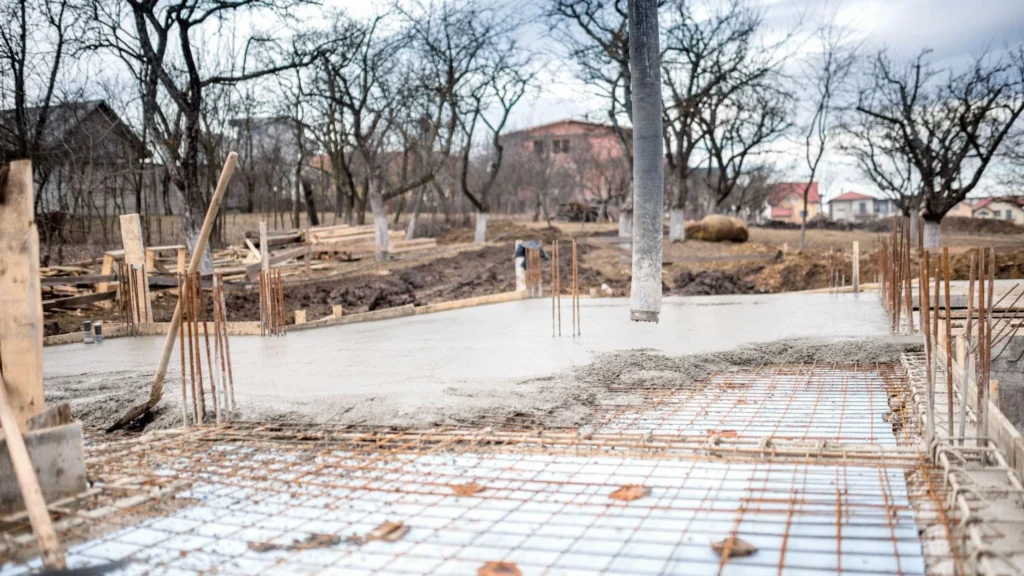
Concrete pumping is a method of transporting liquid concrete from the truck directly to the pour location using specialised equipment.
Instead of moving concrete by hand, a pump uses pressure to push it through pipes or hoses. This allows concrete to reach areas that are difficult or impossible to access manually.
Common Types of Concrete Pumps
Boom Pumps: These use a robotic arm (boom) to deliver concrete precisely where needed. Ideal for large or complex projects.
Line Pumps: These use flexible hoses laid along the ground. They are commonly used for smaller residential jobs. Both types are widely used in residential and commercial projects across Canberra.
How Manual Concrete Pouring Works
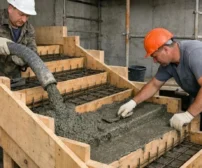
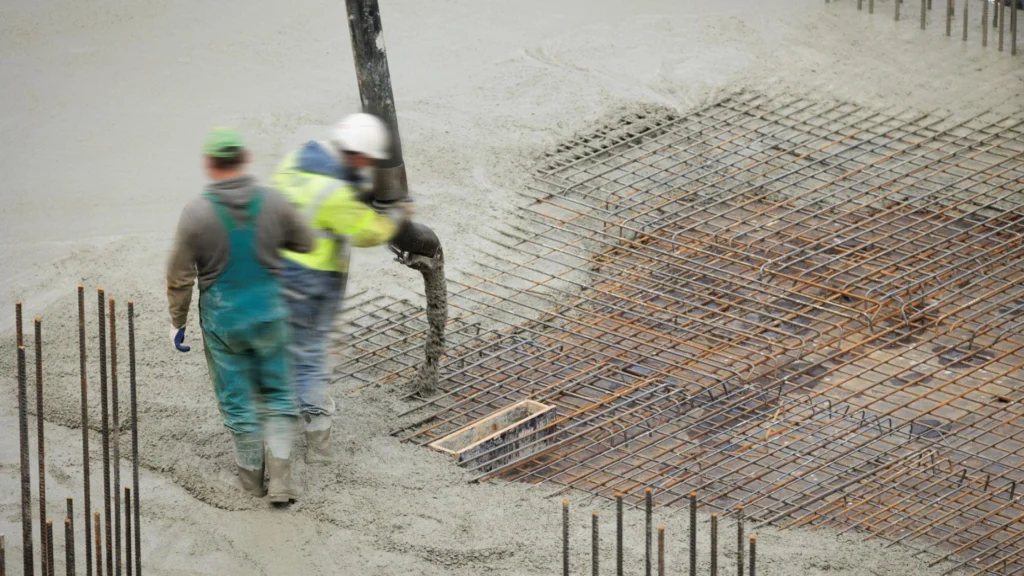
Manual pouring is the traditional method. Concrete is delivered to the site by truck and then moved to the pour area using:
- Wheelbarrows
- Buckets
- Shovels
Workers then spread and level the concrete by hand.
While this method may seem straightforward, it becomes physically demanding and time-consuming, especially for larger or harder-to-reach areas.
Cost Comparison: Pumping vs Manual Labour
Upfront Cost Differences
Concrete pumping does come with an additional cost. This usually includes:
- Equipment hire
- Operator fees
- Setup and pack-up time
On the other hand, manual pouring avoids equipment costs but requires more workers and longer working hours.
Hidden Costs People Often Miss
Many people focus only on the initial price and overlook hidden costs.
With Manual Pouring:
- Higher labour costs over time
- Increased risk of delays
- Potential for uneven finishing
- Worker fatigue leading to mistakes
With Pumping:
- Faster job completion
- Reduced labour requirements
- More consistent placement
Realistic Cost Perspective
For small, simple pours (like a small garden slab), manual work may be cheaper.
However, for medium to large projects, the cost difference often balances out once labour and time are factored in.
Time Efficiency: How Much Faster Is Pumping?
Time is one of the biggest advantages of concrete pumping.
Manual Pouring Timeline
Manual pouring is slow because:
- Each load must be physically transported
- Workers need breaks due to fatigue
- Movement becomes harder as distance increases
Even a moderately sized job can take a full day or more.
Pumping Timeline
Concrete pumping significantly reduces time because:
- Concrete flows continuously
- No manual transport is needed
- Placement is more controlled
Many jobs that take hours manually can be completed in a fraction of the time with pumping.
Why Time Matters in Canberra
Canberra’s weather conditions can change quickly. Faster pouring reduces the risk of:
- Concrete setting too early
- Surface cracking
- Inconsistent finishes
Time savings are not just about convenience — they directly affect quality.
Labour Requirements Explained
Manual Labour Demands
Manual pouring requires a larger team. Tasks include:
- Transporting concrete
- Spreading and leveling
- Managing flow and timing
This increases coordination effort and physical strain.
Pumping Labour Needs
Concrete pumping reduces the workforce needed on-site.
Typical roles include:
- Pump operator
- A few workers for finishing
This simplifies the entire process and reduces fatigue-related errors.
Quality and Finish: Does Pumping Improve Results?
Yes, in many cases, pumping leads to better outcomes.
Consistency of Placement
Pumping allows for steady and controlled flow, which results in:
- Even distribution
- Fewer air pockets
- Better compaction
Reduced Handling
Manual handling can disturb the concrete mix, especially if it is moved multiple times. Pumping delivers it directly, preserving its integrity.
Better Access Means Better Finish
When workers can focus on finishing instead of transporting, the final surface quality improves.

Site Access: A Major Deciding Factor
In Canberra, many properties have access challenges.
Common Access Issues
- Narrow driveways
- Sloped blocks
- Backyard construction
- Limited space for movement
Manual Pouring Limitations
Manual transport becomes difficult and inefficient in these conditions.
Pumping Advantages
Concrete pumps can reach:
- Over fences
- Around obstacles
- Into tight or elevated areas
In many cases, pumping is not just better — it is the only practical option.
When Concrete Pumping Is Worth It
Concrete pumping is usually the better choice in the following situations:
- Large Projects: Driveways, house slabs, and large patios benefit from faster placement.
- Difficult Access Sites: Backyards, narrow paths, and multi-level properties.
- Time-Sensitive Jobs: Projects where delays can affect curing and finish quality.
- Limited Workforce: When fewer workers are available, pumping reduces labour pressure.

When Manual Pouring Still Makes Sense
Concrete pumping is not always necessary.
Suitable Scenarios for Manual Work
- Very small pours
- Easy access areas
- Tight budgets with flexible timelines
For simple projects, manual methods can still be effective.
Weather Considerations in Canberra
Canberra’s climate plays a key role in concrete work.
Hot Weather Challenges
- Faster drying
- Risk of cracking
- Need for quick placement
Cold Weather Challenges
- Slower curing
- Potential delays
How Pumping Helps
Pumping speeds up placement, reducing exposure to weather-related risks.
This makes it particularly useful during extreme conditions.
Safety Factors
Safety is often overlooked but very important.
Manual Pouring Risks
- Heavy lifting injuries
- Fatigue-related accidents
- Slips and falls
Pumping Safety Benefits
- Less physical strain
- Fewer workers handling heavy loads
- More controlled workflow
This creates a safer work environment overall.
Environmental and Site Impact
Concrete pumping can also reduce site disruption.
Less Mess
- Reduced spillage
- Cleaner work area
Lower Foot Traffic
Fewer workers moving around means less disturbance to the site.
Efficient Use of Materials
Better control reduces waste and improves efficiency.
Long-Term Value: Is It Worth It?
When evaluating whether concrete pumping is worth it, consider the bigger picture.
Key Takeaways
- Higher upfront cost, but lower labour expenses
- Faster completion time
- Better finish quality
- Reduced risk of errors
- Improved safety
In many Canberra projects, these benefits outweigh the initial cost.
Choosing the Right Approach for Your Project
Every project is different.
Before deciding, consider:
- Size of the project
- Site access conditions
- Budget constraints
- Timeline requirements
Balancing these factors will help you choose the most practical method.
For a deeper understanding of equipment options and how they work locally, you can explore concrete pump hire Canberra services to see what suits your project needs.
Contact Information
Phone: 0431 961 460
Email: info@canberraconcretepump.com
Website: https://concretepumpcanberra.com.au/