
Concrete is one of the most widely used building materials across Canberra. From driveways and footpaths to patios and slabs, it plays a vital role in both residential and commercial properties.
However, despite its durability, concrete is not immune to damage. Over time, exposure to Canberra’s changing weather conditions—hot summers, cool winters, and occasional heavy rain—can lead to visible wear and structural issues.
Many homeowners search for concrete repair services near me only after the damage becomes obvious. But early detection and timely repair can save significant time, money, and effort.
This guide explains the most common concrete problems, why they happen, and when it’s the right time to take action. Whether you’re dealing with small cracks or major surface deterioration, understanding these issues helps you make informed decisions.

Understanding How Concrete Deteriorates
Concrete may look solid and permanent, but it naturally changes over time. These changes can lead to surface damage, structural weakness, or safety concerns.
Several factors contribute to concrete deterioration in Canberra:
- Temperature fluctuations causing expansion and contraction
- Moisture penetration from rain or irrigation
- Soil movement beneath slabs
- Heavy vehicle or foot traffic
- Improper installation or curing
Even well-installed concrete can develop issues if not maintained properly.

Common Concrete Problems in Canberra Homes
1. Cracking in Concrete Surfaces
Cracks are the most common issue homeowners notice.
They can appear in:
- Driveways
- Sidewalks
- Garage floors
- Patios
Why cracks happen:
- Shrinkage during curing
- Ground movement
- Heavy loads
- Weather changes
Types of cracks:
- Hairline cracks (minor surface issue)
- Structural cracks (deeper and more serious)
Small cracks may seem harmless, but they can expand over time if ignored.
2. Surface Spalling and Flaking
Spalling occurs when the top layer of concrete begins to peel, chip, or flake off.
Common causes:
- Moisture entering the surface
- Freeze-thaw cycles (especially in colder Canberra nights)
- Poor finishing techniques
This issue not only affects appearance but also exposes the inner concrete to further damage.
3. Uneven or Sunken Concrete
If parts of your concrete surface appear lower than others, it may be due to sinking.
Causes include:
- Soil erosion beneath the slab
- Poor ground compaction
- Water drainage issues
You might notice:
- Sloping driveways
- Uneven walkways
- Pooling water
Uneven concrete can become a safety hazard, especially in high-traffic areas.
4. Discolouration and Staining
Concrete surfaces can develop stains over time.
Common sources:
- Oil spills from vehicles
- Rust from metal objects
- Mould or algae growth
- Chemical exposure
While this may seem like a cosmetic issue, staining can indicate deeper moisture problems.
5. Expansion Joint Damage
Expansion joints are designed to allow concrete to move slightly without cracking.
Over time, these joints can:
- Dry out
- Crack
- Fill with debris
When joints fail, surrounding concrete is more likely to crack under pressure.
6. Scaling and Surface Wear
Scaling refers to the gradual wearing away of the concrete surface.
Causes:
- Weather exposure
- Poor-quality materials
- Frequent use
This is common in driveways and outdoor slabs in Canberra.
When Should You Repair Concrete?
Not every issue requires immediate repair, but some problems should not be ignored.
Signs It’s Time to Act
You should consider repairs when:
- Cracks are widening or spreading
- Water is pooling on the surface
- Concrete feels unstable underfoot
- Pieces of concrete are breaking off
- Surface damage affects usability
Ignoring these signs can lead to more expensive repairs later.
Why Early Repairs Are Important
Delaying repairs may seem convenient, but it often leads to bigger issues.
Benefits of early repair:
- Prevents structural damage
- Reduces long-term costs
- Improves safety
- Maintains property value
- Enhances visual appeal
Small fixes today can prevent complete replacement tomorrow.
Repair vs Replacement: What’s the Difference?
Many homeowners wonder whether to repair or replace damaged concrete.
Repair is suitable when:
- Damage is minor or localised
- Cracks are not structural
- Surface wear is limited
Replacement is better when:
- Large areas are damaged
- Structural integrity is compromised
- Multiple issues exist across the surface
A professional assessment can help determine the right approach.
Common Concrete Repair Methods Explained
Understanding repair methods helps you know what to expect.
Crack Filling
Used for small to medium cracks.
- Seals the crack
- Prevents water entry
- Improves appearance
Resurfacing
Ideal for worn or damaged surfaces.
- A new layer is applied
- Covers minor imperfections
- Gives a fresh look
Slab Lifting
Used for sunken concrete.
- Raises the slab back to level
- Improves drainage
- Reduces tripping hazards
Joint Repair
Restores damaged expansion joints.
- Removes debris
- Applies new filler
- Prevents cracking

Role of Professional Equipment in Repairs
Some repair projects require specialised equipment for effective results.
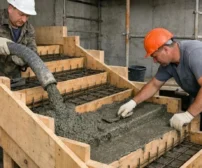
In Canberra, many contractors rely on concrete pumping services canberra to handle complex repair jobs efficiently. This method helps deliver concrete precisely where needed, especially in hard-to-reach areas.
Similarly, when dealing with larger repair or resurfacing work, homeowners often explore concrete pouring services near me canberra to ensure proper placement and consistency.
If you’re planning a more involved repair project, it may be helpful to learn more about equipment and services here:
Preventing Future Concrete Damage
Repairing concrete is important, but preventing damage is even better.
Maintenance tips:
- Seal concrete surfaces regularly
- Keep water drainage systems clear
- Avoid heavy loads on weak areas
- Clean spills quickly
- Inspect surfaces annually
Simple maintenance can extend the life of your concrete significantly.

How Canberra’s Climate Affects Concrete
Canberra’s climate plays a major role in concrete performance.
Key environmental factors:
- Hot summers causing expansion
- Cold nights leading to contraction
- Rain increasing moisture exposure
These repeated cycles can gradually weaken concrete.
That’s why regular inspections and timely repairs are essential in this region.
Choosing the Right Concrete Repair Approach
Every property is different, and so are its repair needs.
When deciding on repairs, consider:
- Type of damage
- Age of the concrete
- Usage level
- Budget
Avoid quick fixes that only address surface issues. Proper repair focuses on the root cause.
Safety Considerations for Damaged Concrete
Damaged concrete is not just an aesthetic issue—it can be dangerous.
Potential risks:
- Trip hazards from uneven surfaces
- Slippery areas due to pooling water
- Structural failure in severe cases
Addressing repairs early helps reduce these risks.
Residential vs Commercial Concrete Repairs
Repair needs vary depending on the type of property.
Residential repairs:
- Driveways
- Patios
- Walkways
Commercial repairs:
- Parking areas
- Industrial floors
- Public footpaths
Commercial spaces often require more durable solutions due to higher usage.
Long-Term Value of Concrete Maintenance
Investing in regular maintenance and timely repairs offers long-term benefits.
These include:
- Reduced repair costs over time
- Longer lifespan of concrete surfaces
- Better property presentation
- Increased durability
Maintaining concrete is more cost-effective than replacing it entirely.
Contact Information
Phone: 0431 961 460
Email: info@canberraconcretepump.com
Website: https://concretepumpcanberra.com.au/
Planning a slab project in Canberra? Take the next step by exploring your options and speaking with experienced professionals who understand local conditions.