
Building a strong and reliable foundation is one of the most important steps in any construction project. Whether you’re planning a new driveway, patio, garage floor, or garden shed, choosing the right Concrete Slab Contractors Canberra can make a significant difference in the outcome.
In Canberra, conditions such as temperature changes, soil movement, and local regulations all play a role in how concrete slabs are designed and installed. For homeowners and property developers with limited construction knowledge, understanding the basics can help avoid costly mistakes and ensure long-term durability.
This guide explains everything you need to know before starting your project. From planning and preparation to choosing the right contractor, you’ll gain practical insights to make informed decisions with confidence.

What Is a Concrete Slab?
A concrete slab is a flat, horizontal surface made by pouring and finishing concrete. It acts as a base or foundation for structures and outdoor areas.
Concrete slabs are commonly used in Canberra for:
- House foundations
- Driveways and pathways
- Outdoor entertaining areas
- Garage and workshop floors
- Garden sheds and small structures
Although slabs may appear simple, they require careful design and preparation to ensure strength, durability, and proper drainage.

Why Concrete Slabs Are Popular in Canberra
Concrete slabs are widely used across Canberra because they are durable, versatile, and suitable for local conditions.
1. Strength and Longevity: Concrete slabs can last for decades when installed correctly. They can withstand heavy loads, making them ideal for both residential and light commercial use.
2. Low Maintenance: Once installed, slabs require minimal maintenance. Occasional cleaning and sealing are usually enough to keep them in good condition.
3. Weather Resistance: Canberra experiences temperature fluctuations, including hot summers and cold winters. Properly constructed slabs are designed to handle expansion and contraction caused by these changes.
4. Versatility: Concrete can be finished in various ways, including:
- Plain grey finishes
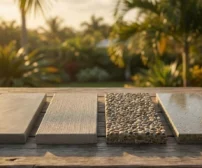
- Exposed aggregate
- Coloured concrete
- Stamped or decorative designs
This flexibility allows homeowners to match their slab to the overall look of their property.
Types of Concrete Slabs
Different projects require different types of slabs. Understanding these options helps you choose the right solution.
Standard Residential Slabs: These are commonly used for homes, patios, and small outdoor areas. A residential concrete slab Canberra project typically focuses on durability, proper drainage, and clean finishing.
Reinforced Concrete Slabs: These slabs include steel reinforcement (mesh or bars) to increase strength. They are suitable for driveways, garages, and areas with heavier loads.
Shed Slabs: A shed slab Canberra project requires precise leveling and strength to support storage structures or workshops.
Key considerations include:
- Proper thickness
- Reinforcement
- Drainage around the slab
Raft Slabs: Raft slabs are used for house foundations. They spread the load evenly and are designed to handle soil movement.
Understanding the Construction Process
Knowing how a slab is built helps you better evaluate contractors and project timelines.
Step 1: Site Preparation: The site is cleared of vegetation, debris, and loose soil. The ground is then leveled and compacted to create a stable base.
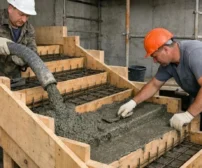
Step 2: Formwork Setup: Timber or metal forms are placed around the area to shape the slab. These forms hold the concrete in place while it sets.
Step 3: Base Layer Installation: A layer of crushed rock or gravel is added to improve drainage and stability.
Step 4: Reinforcement Placement: Steel mesh or bars are placed inside the slab area to increase strength and prevent cracking.
Step 5: Concrete Pouring: Concrete is poured evenly across the prepared area. This stage must be done carefully to avoid air pockets and uneven surfaces.
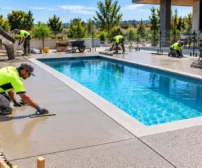
Step 6: Finishing: The surface is smoothed and finished according to the desired style.
Step 7: Curing: The concrete is left to cure properly. This step is essential for achieving maximum strength and durability.
Factors That Affect Concrete Slab Quality
Not all slabs perform the same. Several factors influence the final outcome.
Soil Conditions: Canberra has varying soil types, including clay, which can expand and contract. Proper preparation is essential to prevent movement and cracking.
Thickness of the Slab:
The thickness depends on the intended use. For example:
- Pathways require thinner slabs
- Driveways need thicker, reinforced slabs
Reinforcement: Using steel reinforcement improves load-bearing capacity and reduces the risk of cracks.
Drainage: Poor drainage can lead to water pooling, which weakens the slab over time.
Workmanship: The expertise of slab contractors Canberra plays a major role in ensuring proper installation and finishing.
Choosing the Right Contractor
Selecting the right contractor is one of the most important steps in your project.
What to Look For
When comparing contractors, consider:
- Experience with similar projects
- Knowledge of local Canberra conditions
- Clear communication and transparency
- Proper licensing and insurance
- Ability to explain the process in simple terms
Questions to Ask
Before hiring, ask questions such as:
- What type of concrete slab Canberra solution is suitable for my project?
- How will you prepare the site?
- What reinforcement will be used?
- How long will the project take?
- What steps are taken to prevent cracking?
These questions help you understand their approach and level of expertise.

Planning Your Concrete Slab Project
Proper planning ensures a smooth construction process and better results.
Define the Purpose: Start by clearly identifying how the slab will be used. This determines thickness, reinforcement, and finish.
Consider Access: Ensure there is enough access for equipment and materials during construction.
Check Drainage: Plan for proper water runoff to prevent long-term issues.
Allow Time for Curing: Avoid rushing the process. Curing is critical for durability.
Common Mistakes to Avoid
Many slab issues arise from avoidable mistakes.
- Poor site preparation
- Incorrect thickness
- Inadequate reinforcement
- Rushing the curing process
- Ignoring drainage
Avoiding these mistakes ensures better long-term performance.

Maintenance Tips for Long-Lasting Slabs
Concrete slabs are low maintenance, but a few simple steps can extend their lifespan.
- Regular cleaning
- Sealing when required
- Avoiding heavy impact
- Monitoring for cracks
When Do You Need a Shed Slab?
A shed slab Canberra project is ideal when you need a stable and level base for:
- Garden sheds
- Storage units
- Workshops
- Small garages
These slabs must be strong enough to support structures while remaining resistant to weather conditions.
Residential Applications of Concrete Slabs
Concrete slabs are used in many residential settings across Canberra.
- Driveways
- Patios
- Pathways
- Garage floors
Each application may require slightly different specifications, especially for a residential concrete slab Canberra project.
Signs of a Well-Constructed Slab
A properly built slab should:
- Have a smooth and even surface
- Show no major cracks or uneven areas
- Drain water effectively
- Feel solid under load
Understanding Local Considerations in Canberra
Building in Canberra comes with unique challenges.
Climate: Temperature changes can cause expansion and contraction. Proper joints and reinforcement help manage this.
Soil Movement: Some areas have reactive soil, which requires careful preparation and design.
Regulations: Local building requirements may apply depending on the project size and purpose.
Working with experienced Concrete Slab Contractors Canberra helps ensure these factors are addressed correctly.
Final Thoughts
Concrete slabs are the foundation of many residential projects, and their quality directly affects durability and performance.
By understanding the process, planning carefully, and working with experienced slab contractors Canberra, you can avoid common issues and achieve long-lasting results.
Contact Information
Phone: 0431 961 460
Email: info@canberraconcretepump.com
Website: https://concretepumpcanberra.com.au/
Planning a slab project in Canberra? Take the next step by exploring your options and speaking with experienced professionals who understand local conditions.