
Planning a new build, extension, or outdoor upgrade in Canberra often begins with one essential element — a solid concrete slab. Whether you’re installing a patio, garage base, or a full home foundation, understanding the concrete slab Canberra process helps you budget properly and avoid unexpected issues.
Canberra’s climate and soil conditions make every project slightly different. Cold winters, dry summers, and reactive soils in certain suburbs all influence how slabs are prepared and installed.
This guide explains everything in simple terms — from what affects pricing to the types of slabs commonly used. If you’re new to construction, don’t worry. This article is designed to help you understand each step clearly.

What Is a Concrete Slab?
A concrete slab is a horizontal plane formed with the pouring of concrete. It is used for the foundation of many house and exterior constructions.
In Canberra slabs are typically used for:
- House foundations
- Patios and outdoor areas
- Driveways
- Garden sheds and garages.
- Home extensions
Although it may seem easy, a slab requires careful planning, preparation and finishing.
Understanding Concrete Slab Cost in Canberra
When people think about cost, they often expect a fixed price. In reality, every project is different.
The total cost depends on several components, including:
- Site preparation
- Materials
- Labour
- Equipment
- Finishing
Instead of focusing on a single number, it’s more useful to understand what drives these costs.

Key Factors That Affect Pricing
1. Size and Thickness
Slabs get larger with an increase in materials and labor.
Thickness also matters:
- The slabs used are thinner than standard slabs.
- They are stronger and thicker in the load bearing slabs.
The more thickness, the more concrete and reinforcement.
2. Site Preparation
The ground should be prepared adequately prior to pouring.
This may include:
- Clearing vegetation
- Excavation
- Levelling
- Soil compaction
Some reactive soils may need additional preparation to avoid cracking in some areas of Canberra.
3. Accessibility
Access to the site is important.
Easy access means:
- Faster work
- Lower labour effort
Difficult access (like backyards or narrow driveways) may require specialised equipment such as best concrete pump Canberra solutions to deliver concrete efficiently.
4. Reinforcement
Reinforcement makes materials strong and tough.
Common types include:
- Steel mesh
- Reinforcing bars (rebar)
- Fibre additives
More reinforcement is required in other areas, such as driveways and garages.
5. Finish Type
The finish you select has an impact on the look and price.
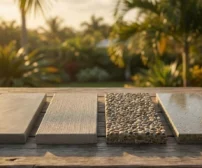
Popular finishes include:
- Plain smooth finish
- Fitting for grip with broom finish.
- Exposed aggregates for decorative purposes.
- Polished concrete for Hallway, Lobby and Foyer.Polished Concrete for hallways, lobby and foyer.
Decorative finishes tend to be more labor intensive.
6. Pouring Method
There are 2 methods of concrete placing:
- Manual pouring is better for small, easily-accessed areas, but requires more labour and time.
- Pumping is more rapid and accurate particularly in confined spaces and heights. This technique is frequently adopted in the Canberra area and in homes.
7. Labour and Complexity
Labour depends on:
- Project size
- Site difficulty
- Design complexity
Simple slabs are quicker and easier to complete, whereas custom designs are time consuming.
Types of Concrete Slabs in Canberra
Standard Residential Slabs: It is the most popular choice for extensions and houses.
A residential concrete slab Canberra project usually has reinforcement and is being employed for regular structural applications.
Driveway Slabs: Driveways are thicker and stronger as they must support the weight of vehicles.
One of the most common driveway slab Canberra installation options is incorporate a reinforced concrete slab and textured to make it safe.
Raft Slabs: Raft slabs are ideal for areas with unstable soil.
They are distributed evenly and mitigate the risk of movement or cracking.
Suspended Slabs: These are mainly used when the slab is above head height e.g. on sloping blocks.
These are more difficult and need more assistance.
Step-by-Step Installation Process
Site Inspection
The contractor checks:
- Soil condition
- Drainage
- Access
- Slope
Excavation and Base Preparation
This step includes:
- Removing topsoil
- Levelling the area
- Adding a compacted base
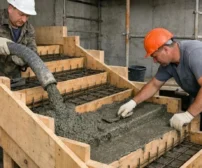
Formwork
Temporary forms are made up to form the slab.
Reinforcement Placement
Steel mesh or bars are used to reinforce the structure.
Concrete Pouring
Difficult access areas are filled by direct pouring or by means of a concrete pump.
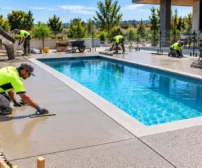
Finishing
Surface smoothing and finishing done to desired finish.
Curing
The concrete strengthens over time when it is cured. This is very important for durability.
Why Costs Vary Across Canberra
Different suburbs have different conditions.
Some key variations include:
- Soil type
- Block size
- Access limitations
- Slope of the land
For example, inner suburbs may have tighter access, while newer areas may be easier to work in.
What’s Typically Included in a Concrete Slab Project
Most slab projects include:
- Site preparation
- Formwork installation
- Reinforcement
- Concrete supply and pouring
- Finishing
- Basic curing
Additional features like decorative finishes or drainage may be added depending on the project.
How to Reduce Costs Without Compromising Quality
Plan Ahead: A clear design minimises delays and changes.
Select a Simple Finish: Simple finishes are less expensive and yet long-lasting.
Improve Site Access: Good access can minimise labour and equipment requirements.
Hire Experienced Professionals: Skilled teams are efficient and get the job done.

Common Mistakes to Avoid
- Poor Soil Preparation: This can lead to cracking and instability.
- Choosing Based on Price Alone: Cheaper work may result in higher repair costs later.
- Skipping Reinforcement: Reinforcement is essential for long-term strength.
- Ignoring Drainage: Water buildup can damage the slab over time.
- Rushing the Curing Process: Proper curing ensures durability and prevents early damage.
Maintenance Tips for Long-Lasting Slabs
- Regular Cleaning: Keeps the surface in good condition.
- Sealing: Protects against moisture and stains.
- Avoid Heavy Impact: Prevents cracks and damage.
- Check for Cracks: Early repairs can prevent bigger issues.
When Concrete Pumping Is Needed
Concrete pumping is effective in the following situations:
- Access is limited
- The slab is located behind a building
- The area is elevated
- Manual work is impractical because of the large volume of data.
Hiring the best concrete pump Canberra services will enhance efficiency and ensure precise placement.
Choosing the Right Slab for Your Project
The right slab depends on your needs.
For example:
- Homes often use raft slabs for stability
- Driveways need reinforced slabs
- Patios can use standard slabs
- Garages require thicker construction
Selecting the correct type ensures long-term performance.
How Long Does Concrete Slab Last?
With proper installation, a slab may last for 20–30 years or longer.
Longevity depends on:
- Quality of installation
- Materials used
- Maintenance
Signs of a High-Quality Slab
Look for:
- Smooth and even finish
- No major cracks
- Proper drainage
- Strong edges
Is a Concrete Slab a Good Investment?
Concrete slabs offer:
- Durability
- Low maintenance
- Versatility
- Long lifespan
For most residential projects, they provide excellent long-term value.

Final Thoughts
Understanding the factors behind a concrete slab Canberra project helps you plan better and avoid unexpected issues. Whether you’re building a home, installing a patio, or completing a driveway slab Canberra, knowing what affects cost ensures smarter decisions.
With the right preparation and professional approach, a residential concrete slab Canberra project can deliver strong, reliable results that last for decades.
Contact Information
Phone: 0431 961 460
Email: info@canberraconcretepump.com
Website: https://concretepumpcanberra.com.au/
Planning a concreting project in Canberra? Get in touch with a trusted local expert today for clear advice, smooth execution, and results you can rely on.